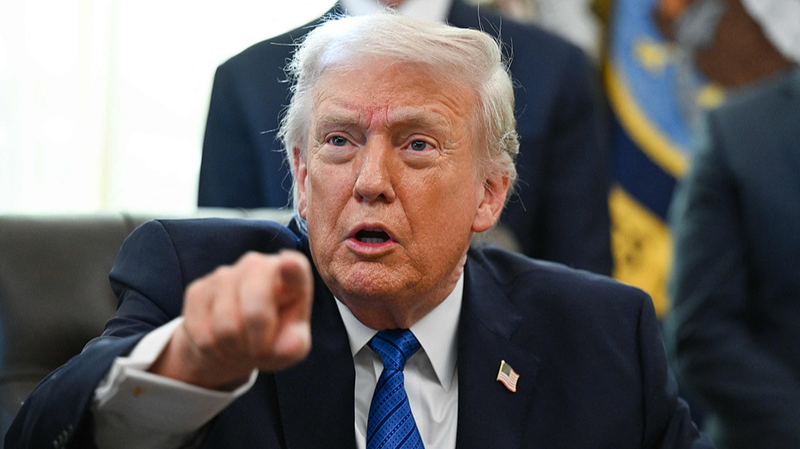
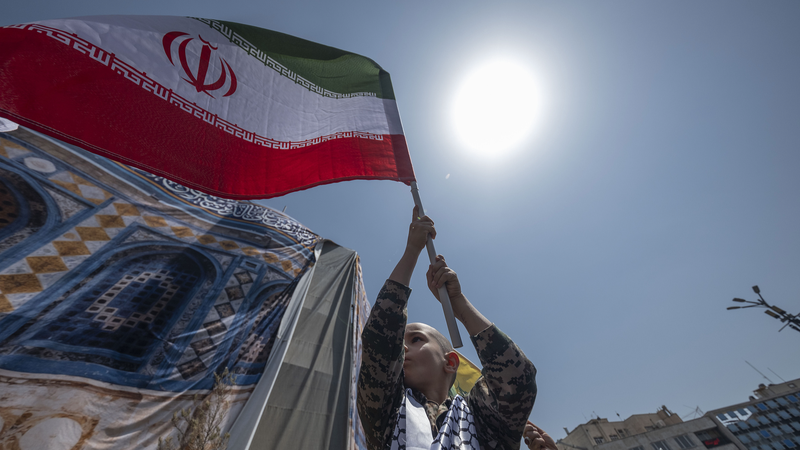
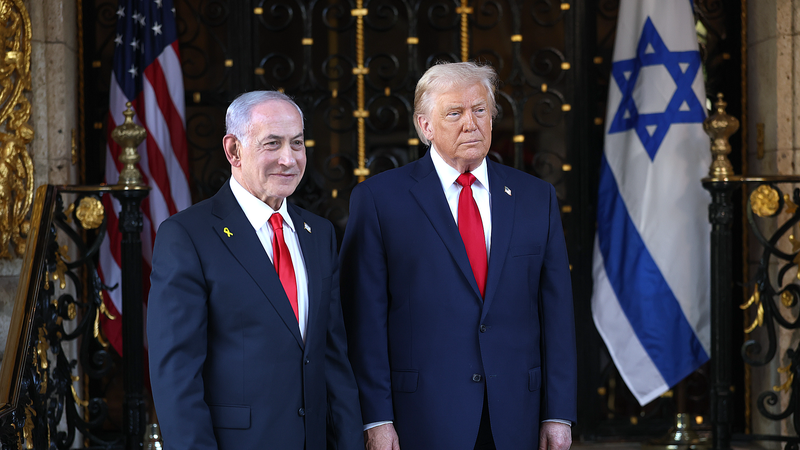
U.S. President Donald Trump expressed cautious optimism about reaching an agreement with Iran this week, while Iranian officials signaled openness to “fair and just” negotiations – even as both nations maintain military readiness. The developments come amid heightened regional mediation efforts to prevent open conflict.
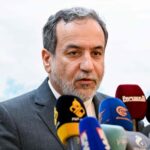
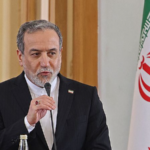
Speaking from Florida on February 1, Trump acknowledged Iran’s warnings about retaliatory strikes but emphasized Washington’s naval deployments: “We’ve got the biggest, most powerful ships in the world there right now.” His comments followed Iranian Foreign Minister Abbas Araghchi’s CNN interview insisting Tehran wants “peaceful nuclear guarantees” in exchange for sanctions relief.
Behind the scenes, Türkiye, Egypt, and Qatar are reportedly facilitating backchannel communications. A senior coordination official told China Media Group: “Things are moving forward, and we are doing our utmost” to arrange U.S.-Iran talks in Ankara.
The diplomatic push follows last year’s 12-day Iran-Israel conflict that derailed nuclear negotiations. While military planning continues – including recent U.S.-Israel defense consultations – White House officials stress no final decision has been made on strikes.
Araghchi warned any new conflict would become “a disaster for everybody,” potentially targeting U.S. regional bases. Yet he maintained Tehran’s nuclear program remains negotiable through third-party mediators, provided discussions focus strictly on nuclear issues rather than Iran’s regional alliances.
Analysts suggest the coming weeks could prove decisive, with both sides weighing economic pressures against military risks. As global energy markets watch closely, regional mediators work to keep communication channels open despite deep mutual distrust dating to Washington’s 2018 withdrawal from the nuclear accord.