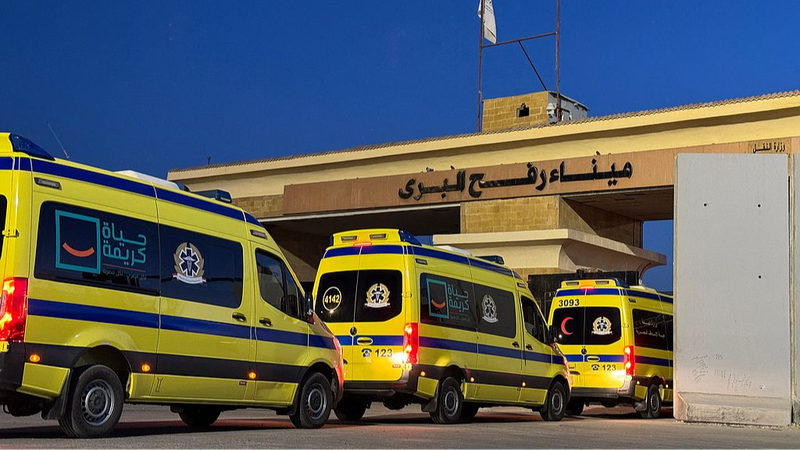
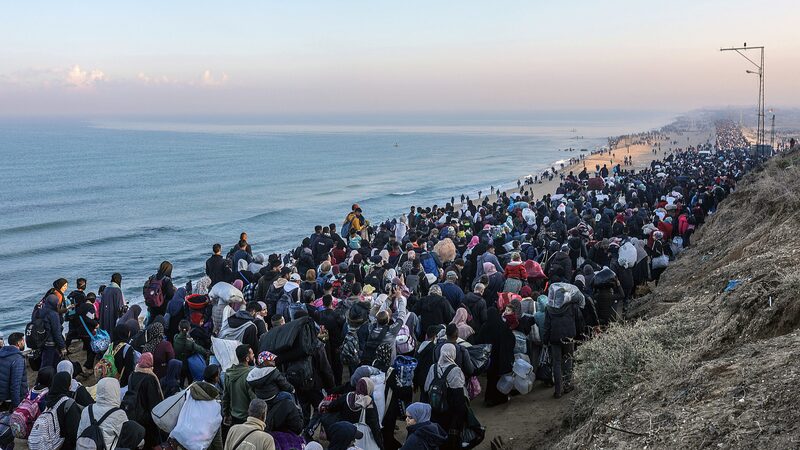
Israel reopened Gaza's Rafah Border Crossing with Egypt on Monday, permitting limited foot traffic for the first time since May 2024. The move, part of a US-brokered ceasefire agreement reached last October, allows a small number of Palestinians to exit the enclave and some displaced residents to return. Egyptian authorities capped daily crossings at 50 people in each direction, with reinforced security measures and Israeli oversight.
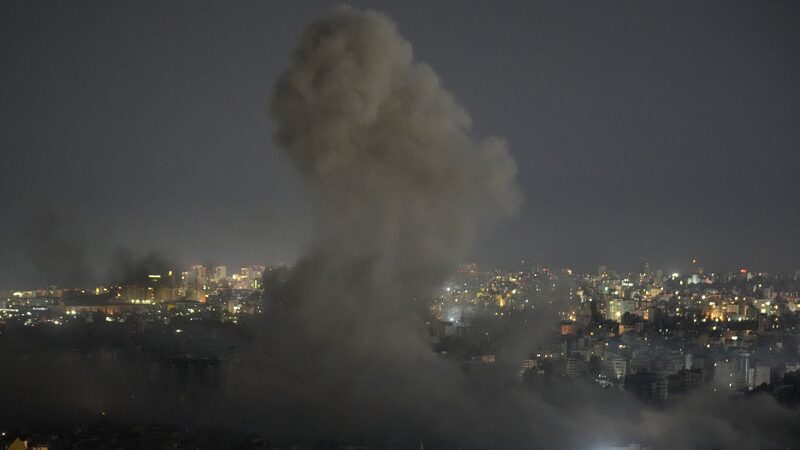
The reopening follows months of near-total closure after Israeli forces seized control of the crossing in mid-2024, cutting off Gaza's primary external route. While hailed by EU officials as a "concrete step" toward peace, violence persists: Israeli airstrikes killed at least four Palestinians, including a child, on the same day as the reopening.
For many, the crossing represents a critical lifeline. Mohammed Nassir, a Palestinian amputee injured early in the conflict, told KhabarAsia: "I need surgery unavailable here. This could save lives." Egypt has mobilized 150 hospitals and 12,000 doctors to support medical evacuees.
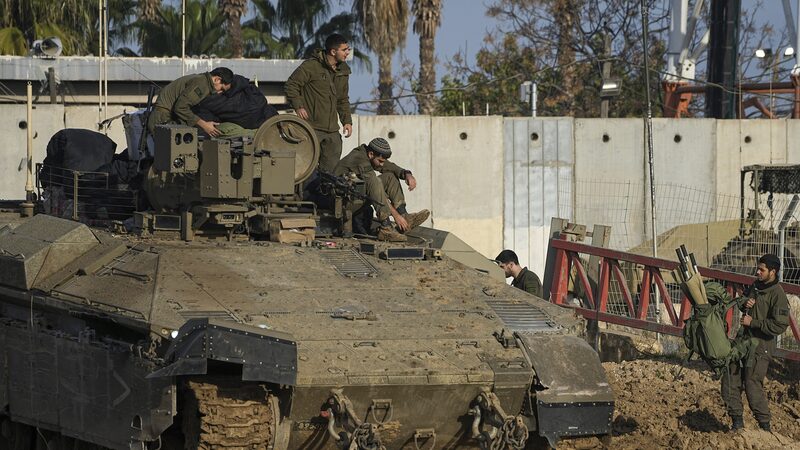
Despite progress, challenges remain. Israel maintains control over 53% of Gaza and continues to bar foreign journalists from entering. The Supreme Court is reviewing a petition by the Foreign Press Association to lift the ban, while government lawyers cite troop safety concerns.
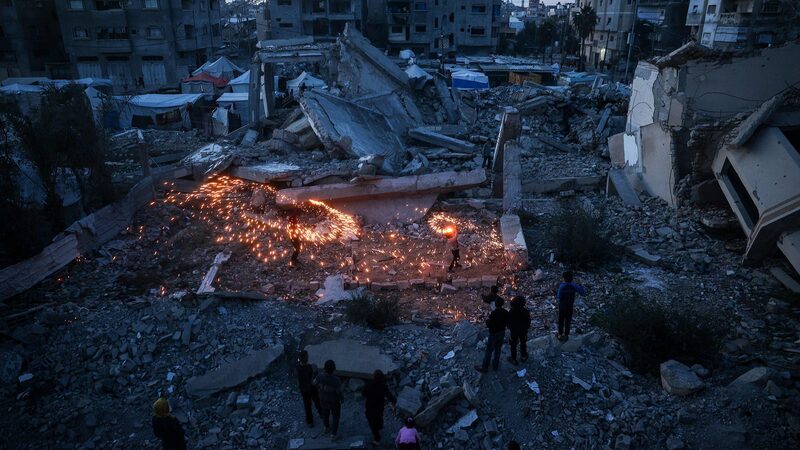
The ceasefire's next phase—negotiations over Gaza's governance and reconstruction—faces hurdles. Hamas has yet to accept demands to disarm, and Israel warns of resumed hostilities if terms are unmet. Over 70,000 Gazans have been killed since the conflict began with Hamas' October 2023 attack on Israel, according to local health authorities.