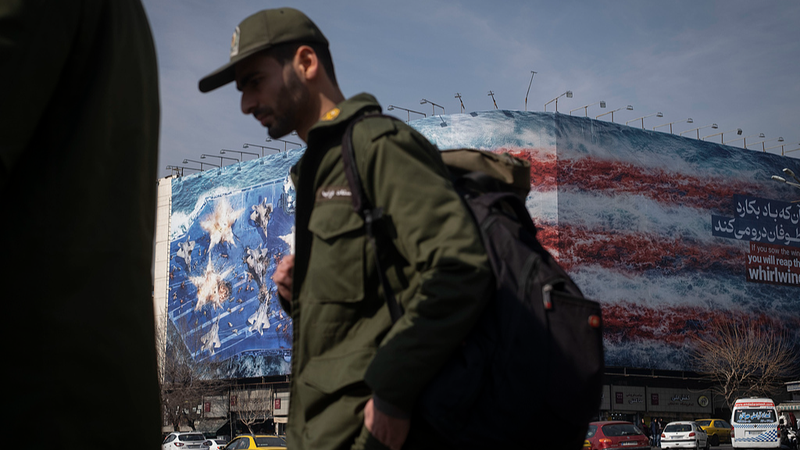
Escalating tensions between Washington and Tehran dominated global security discussions throughout January 2026, with both nations alternating between military brinkmanship and tentative diplomatic overtures. The crisis, rooted in Iran's domestic unrest and nuclear program disputes, has brought the Middle East to its most volatile state in years.
From Protests to Proxy Threats
What began as nationwide protests over economic grievances in late December 2025 quickly became geopolitical fuel. By January 2, U.S. President Donald Trump framed the demonstrations as justification for renewed pressure, declaring readiness to act if Iran 'violently suppresses protesters.' Tehran's security leadership accused Washington and Tel Aviv of orchestrating instability.
Military Chessboard Expands
The month saw rapid military escalation:
Dual U.S. aircraft carrier deployments to the Gulf
Iran's closure of airspace and live-fire Hormuz Strait drills
Cyber warfare preparations and drone surveillance operations
Sanctions Versus Diplomacy
Washington imposed three rounds of sanctions targeting Iranian officials and cryptocurrency networks, while Tehran pursued regional diplomacy with Qatar and Türkiye. Despite harsh rhetoric, both sides left room for negotiation – Iranian Foreign Minister Seyed Abbas Araghchi repeatedly emphasized readiness for 'fair talks,' while Trump hinted at secret diplomatic channels.
February's Precarious Balance
As the USS Abraham Lincoln strike group patrols the Gulf and Iran's IRGC Navy prepares February 1-2 exercises, the world watches whether economic pain and military posturing will force concessions or spark miscalculation. With 25% tariffs on Iran's trade partners and UN Security Council appeals failing to break deadlock, the crisis tests both nations' thresholds for conflict avoidance.