The World Meteorological Organization (WMO) has issued a stark warning following a month of unprecedented global weather extremes in January 2026, urging nations to prioritize early warning systems. Record-breaking heatwaves, winter storms, wildfires, and floods disrupted lives across six continents, underscoring the urgent need for climate resilience strategies.
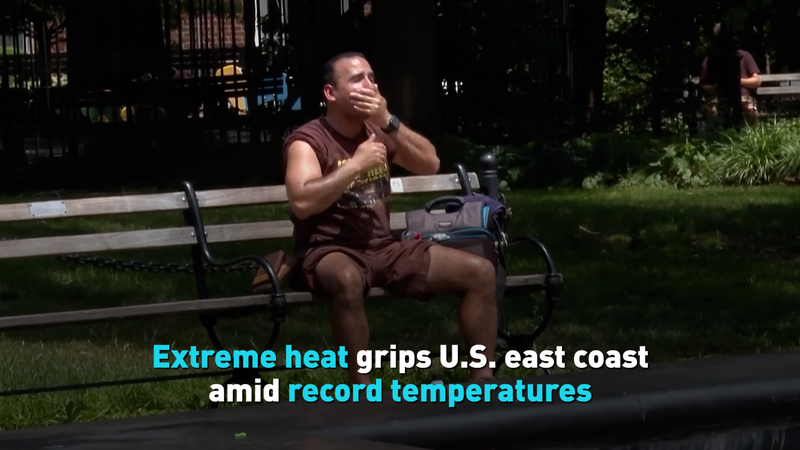
WMO Secretary-General Celeste Saulo emphasized that rising global temperatures are intensifying weather disasters, with January's events causing widespread economic damage and loss of life. Data from WMO members revealed simultaneous crises in both hemispheres, from Australia's 49.5°C record heat to Russia's Kamchatka Peninsula battling 5.7 meters of snow over two months.
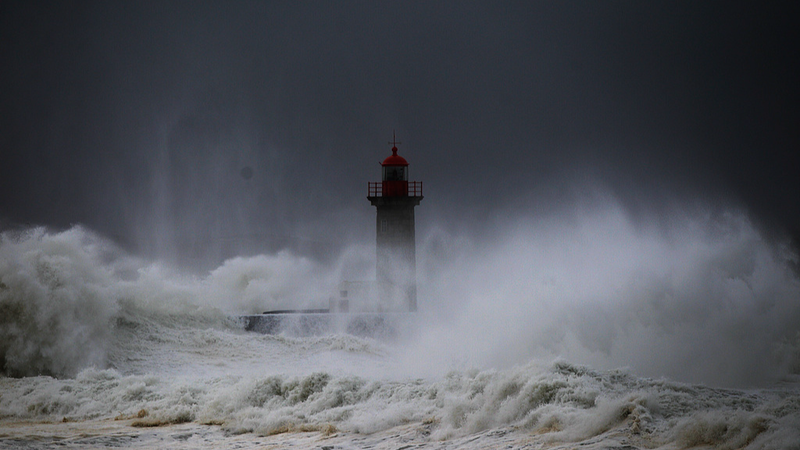
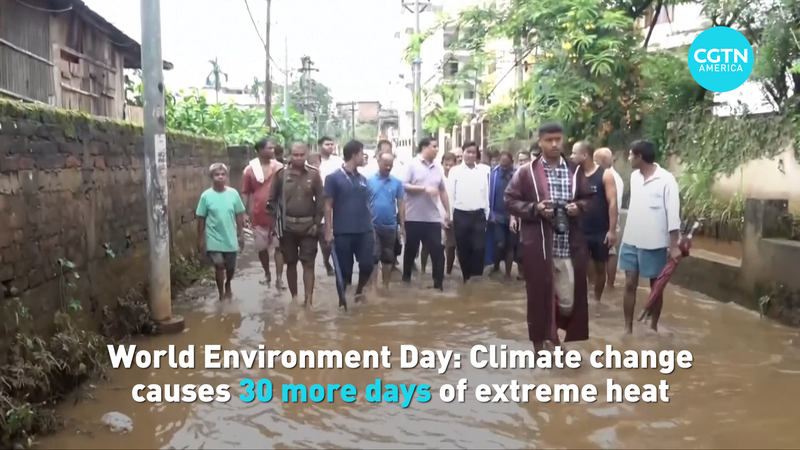
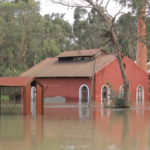
North America faced deadly winter storms that paralyzed transport networks, while southern Africa grappled with catastrophic flooding in Mozambique. Europe's back-to-back storms triggered coastal inundations, and South America's wildfire season intensified under drought conditions. Scientists highlight these concurrent disasters as evidence of accelerating climate impacts.
Saulo stressed that improved forecasting accuracy and timely warnings could prevent many casualties, noting: “Every percentage point increase in warning system coverage saves lives.” The WMO plans to launch new regional climate modeling initiatives this year to address prediction gaps.