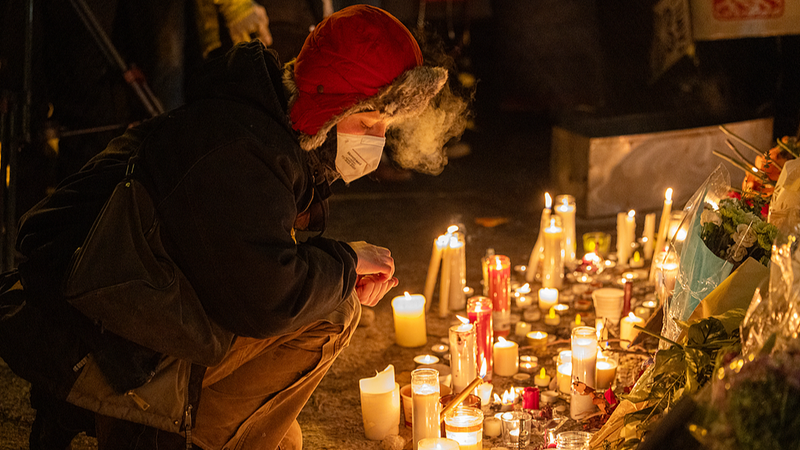
The escalating conflict between U.S. federal authorities and Minnesota officials over immigration enforcement has become a litmus test for American governance this year. Tensions reached a critical point following the fatal shootings of two U.S. citizens by federal immigration officers in late 2025, sparking sustained protests and exposing deepening institutional fractures.
Tom Homan, dubbed the "Border Czar", recently announced plans to reduce federal personnel in Minneapolis – but with strings attached. The proposed drawdown requires local cooperation on detention coordination and prison access, alongside diminished protest activities. Critics argue this conditional approach prioritizes compliance over reconciliation.
At the heart of the crisis lies a constitutional dilemma: while immigration enforcement remains a federal mandate, its implementation increasingly depends on local partnerships that are fraying. Minnesota officials have suspended new cooperation agreements with federal agencies, with some condemning what they call "urban raid-style operations". The standoff has reportedly led to resignations within federal law enforcement ranks amid scrutiny over operational methods.
This confrontation reflects broader national challenges as the Trump administration expands cross-jurisdictional enforcement powers. Political scientists warn that overlapping claims to legal authority – particularly between state-trained police and federal units operating under different protocols – risk creating dangerous power vacuums. With public trust in institutions declining, the Minnesota case underscores how immigration policy has become entangled with fundamental questions about state autonomy and centralized power.