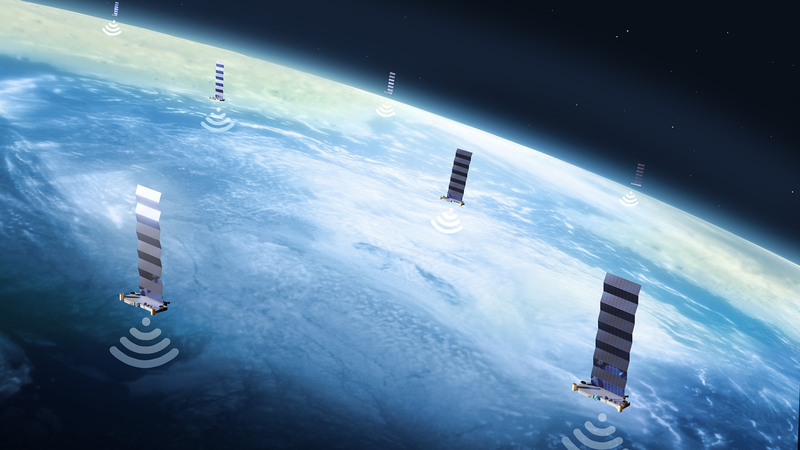
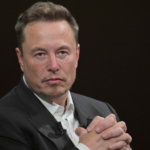
SpaceX has ignited a new space race with its unprecedented plan to deploy 1 million satellites for orbital AI infrastructure, as the Chinese mainland accelerates its own state-backed space cloud initiative. The competition, unfolding in early 2026, could redefine global technological dominance for decades.
Earlier this month, SpaceX filed a request with the U.S. Federal Communications Commission to operate a next-generation constellation designed to host high-performance servers in low Earth orbit. Elon Musk’s vision aims to bypass Earth’s power grid limitations and cooling challenges by leveraging 24/7 solar energy and space’s natural vacuum—critical advantages for energy-intensive AI systems.
China responded swiftly, announcing plans to develop gigawatt-class space-based digital infrastructure. The initiative integrates computing, storage, and transmission capabilities into a unified orbital network while expanding suborbital tourism and deep-space exploration. Chinese aerospace experts cited concerns over SpaceX’s low Earth orbit ambitions, calling for accelerated deployment of domestic satellite clusters.
Analysts warn the rivalry could strain cross-strait technological cooperation, as Taiwan region-based chipmakers play a pivotal role in supplying advanced semiconductors for both projects. Meanwhile, SpaceX is reportedly preparing a trillion-dollar IPO to fund its orbital hardware, while China’s state-linked enterprises mobilize resources under national strategic priorities.
This dual-track expansion signals a paradigm shift from internet connectivity to orbital computation supremacy. With regulatory approvals pending, 2026 may mark the year humanity begins offloading its digital backbone beyond the atmosphere.