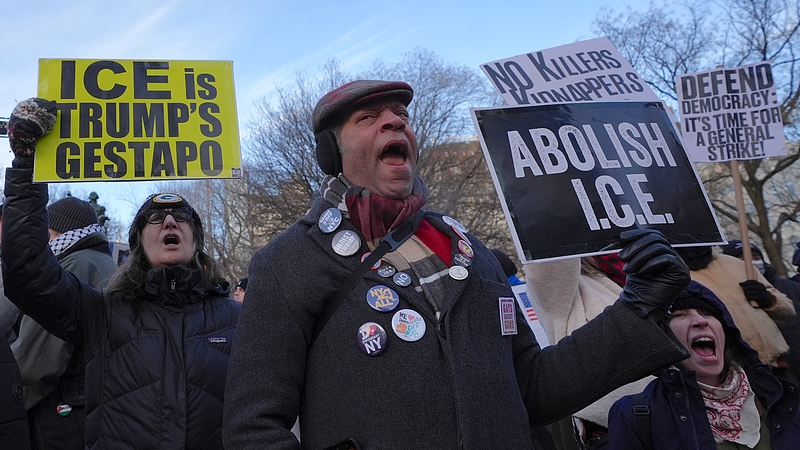
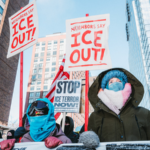
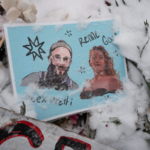
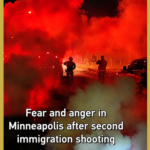
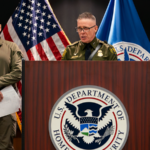
Mass protests against U.S. Immigration and Customs Enforcement (ICE) have intensified across the United States this month, fueled by the fatal shooting of two Minneapolis residents—Renee Good, a mother of three, and Alex Pretti, an ICU nurse. Demonstrators braved paralyzing snowstorms to demand accountability, reflecting deepening public anger over state-authorized enforcement tactics.
Expanded Enforcement Under Scrutiny
President Donald Trump’s second-term immigration agenda, which aims for one million annual deportations, has drawn sharp criticism for its aggressive scale. A 2025 funding law allocated ICE a historic $75 billion budget over four years, tripling its previous resources. The Migration Policy Institute recently described these measures as "unprecedented in their breadth and reach," warning of systemic risks to community trust.
Public Sentiment Reaches Tipping Point
Polls reveal growing skepticism about ICE’s role in public safety. A New York Times/Siena survey found 63% of registered voters hold negative views of the agency, with 55% strongly disapproving. A separate CNN poll showed 51% of Americans believe ICE operations make cities "less safe." The deaths of Good and Pretti have amplified calls to withdraw federal agents from Minnesota, with a second National Day of Action planned this Saturday.
Partisan Divides Deepen
The issue highlights stark political polarization: over 80% of Democrats view the shootings as systemic overreach, while 67% of Republicans support ICE’s role in urban safety. Community organizers and labor groups are now mobilizing nationwide, signaling a prolonged battle over immigration policy ahead of the 2026 midterm elections.