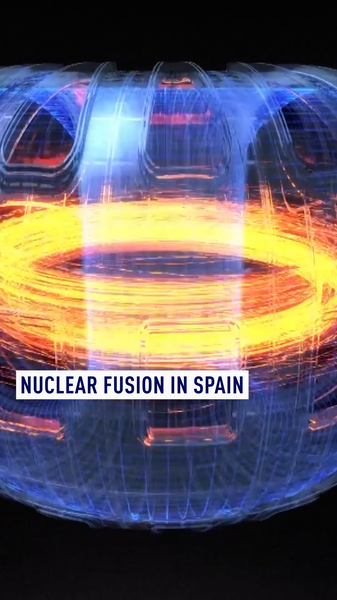
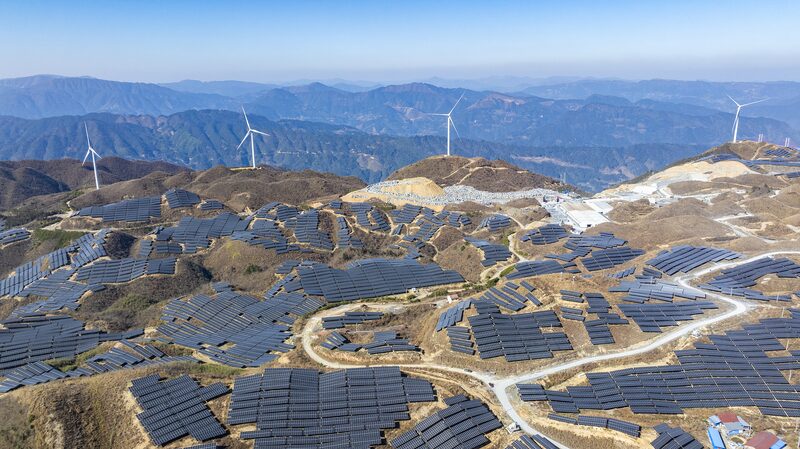
As the world grapples with climate challenges, scientists are edging closer to unlocking nuclear fusion — a process mimicking the sun’s energy production — which could redefine humanity’s relationship with power. Recent advancements suggest this long-elusive technology may soon transition from laboratories to practical applications, offering a near-limitless clean energy source.
The Stellar Promise of Fusion
Nuclear fusion, which combines light atomic nuclei under extreme heat and pressure, releases four times more energy per kilogram than nuclear fission. Unlike today’s fission reactors, fusion produces no long-term radioactive waste or meltdown risks. A few truckloads of seawater-derived deuterium and lithium-produced tritium could theoretically power civilizations for millennia.
From Sci-Fi to Reality
In December 2022, researchers at Lawrence Livermore National Laboratory achieved a historic milestone: producing more energy from fusion ignition than the laser energy used to trigger it. This "net energy gain" breakthrough has since been replicated multiple times, validating decades of theoretical work. Dr. Carlos Hidalgo of Spain’s CIEMAT notes, "We’re now focused on making fusion energy accessible — a revolution that will push the boundaries of science and society."
Challenges Ahead
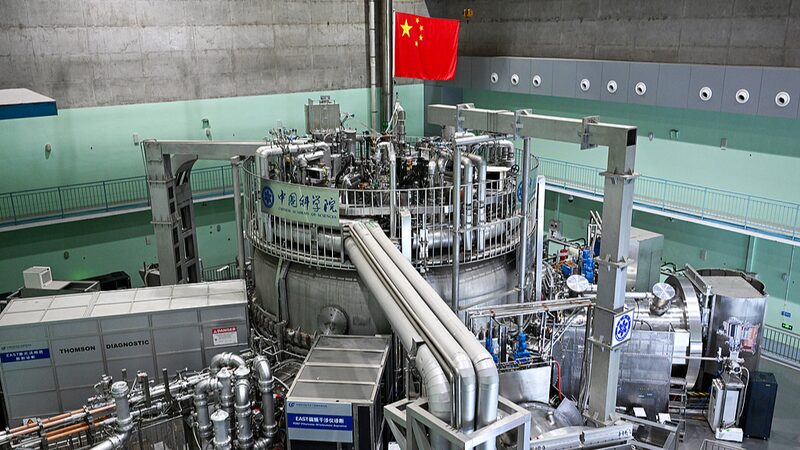
While fusion’s potential is undeniable, scaling reactors for commercial use remains complex. Current prototypes, like ITER in France, aim to demonstrate feasibility by the 2030s. Asia is emerging as a key player, with China’s EAST reactor achieving record plasma confinement times and South Korea’s KSTAR advancing high-temperature operations.
For investors and policymakers, fusion represents a trillion-dollar opportunity. Analysts project that successful commercialization could reduce global carbon emissions by 40% while stabilizing energy markets. As nations race to harness this cosmic power, 2026 may mark a turning point in humanity’s quest for sustainable energy independence.