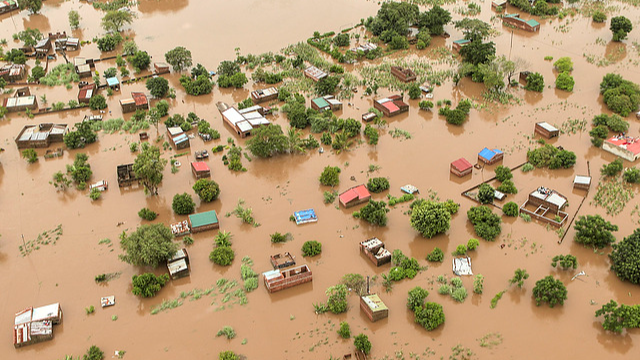
Southern Africa’s catastrophic flooding in recent weeks, which displaced thousands and caused widespread infrastructure damage, stems from a dangerous synergy of human-driven climate change and the La Niña weather phenomenon, according to a World Weather Attribution (WWA) study released this week.
Climate Link to Intensified Rainfall
The report reveals that extreme rainfall events in the region have become 40% more intense since preindustrial times, with greenhouse gas emissions warming oceans and amplifying atmospheric moisture. This trend has collided with the current La Niña cycle, which typically brings wetter conditions to southern Africa but now operates in a climate-altered environment.
Regional Impact and Costs
Since December 2025, Mozambique, South Africa, Zimbabwe, and Eswatini have faced relentless downpours, with some areas receiving a year’s rainfall in days. South Africa’s Kruger National Park remains closed after rivers burst their banks, requiring millions in repairs. Over 200,000 residents have been affected, according to preliminary estimates.
La Niña’s Amplified Role
While La Niña involves cyclical cooling of Pacific Ocean temperatures, the WWA emphasized that climate change has supercharged its effects. 'Warmer seas provide more energy for storms, turning natural weather patterns into humanitarian disasters,' the report noted. The World Meteorological Organization warns that rising global temperatures will heighten risks of both floods and droughts in vulnerable regions.
As southern Africa grapples with recovery, experts urge accelerated climate adaptation investments to mitigate future crises.