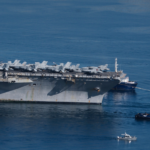
Escalating rhetoric between Washington and Tehran dominates regional security discussions this week as the U.S. deploys additional naval forces to the Middle East. The USS Abraham Lincoln Carrier Strike Group's arrival coincides with live-fire drills by Iran's Revolutionary Guard Corps in the Strait of Hormuz through January 29.
Military Movements and Economic Implications
U.S. Central Command confirmed multi-day readiness exercises across its regional bases, while Iranian authorities issued navigation warnings for commercial aircraft near the strategic waterway. Analysts suggest these developments could temporarily disrupt shipping insurance rates and energy markets.
Leadership Statements Fuel Uncertainty
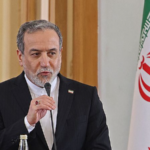
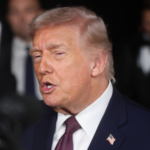
Former U.S. President Donald Trump's recent comments about a new 'armada' deployment drew sharp reactions from Tehran. Iranian naval official Mohammad Akbarzadeh warned neighboring states against permitting foreign military access, stating: 'Any cooperation with hostile forces will redefine our regional relationships.'
Regional Security Calculus
Israeli Prime Minister Benjamin Netanyahu reinforced his administration's stance, vowing unprecedented retaliation against any Iranian aggression. This comes as regional governments balance diplomatic ties with economic priorities – particularly Gulf states mediating between energy exports and security concerns.
With 35% of global seaborne oil shipments passing through the Strait of Hormuz, financial institutions are advising clients to factor in heightened geopolitical risk premiums through Q1 2026.