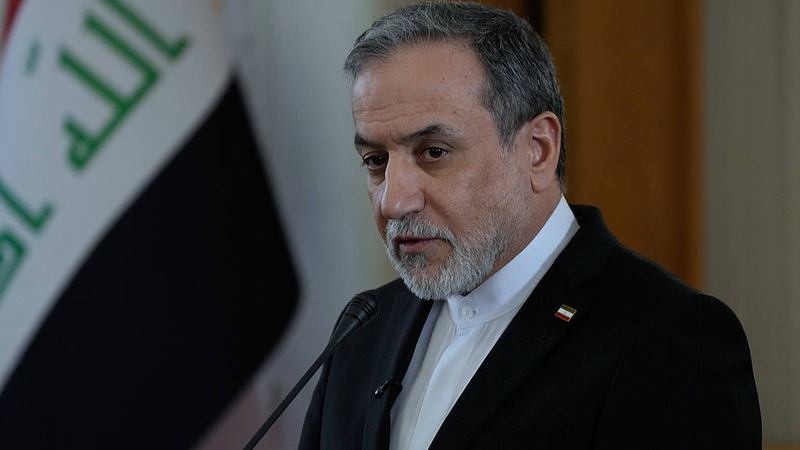
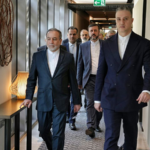
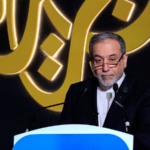
Iran's Foreign Minister Abbas Araghchi has categorically denied recent claims of diplomatic outreach to the United States, stating that Tehran "did not request negotiations" despite Washington's public overtures. This comes as U.S. military assets remain deployed in the Gulf following heightened regional tensions.
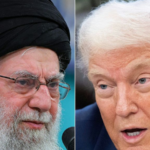
U.S. President Donald Trump reiterated this week that he hopes for a deal with Iran, while simultaneously referencing military movements near Iranian territory. Araghchi emphasized that "negotiations don't go along with threats," insisting any talks require the removal of "menaces and excessive demands."
The developments follow nationwide protests in Iran that prompted what analysts describe as the country's most severe security response in decades. Meanwhile, President Masoud Pezeshkian extended diplomatic overtures to Saudi Arabia, telling Crown Prince Mohammed bin Salman that Tehran welcomes conflict-prevention processes aligned with international law.
Regional observers note the contrasting approaches: While Iran maintains its stance against "coercive diplomacy" with Washington, it continues strengthening ties with regional neighbors. This dual-track strategy highlights Tehran's efforts to balance geopolitical pressures as 2026 begins.