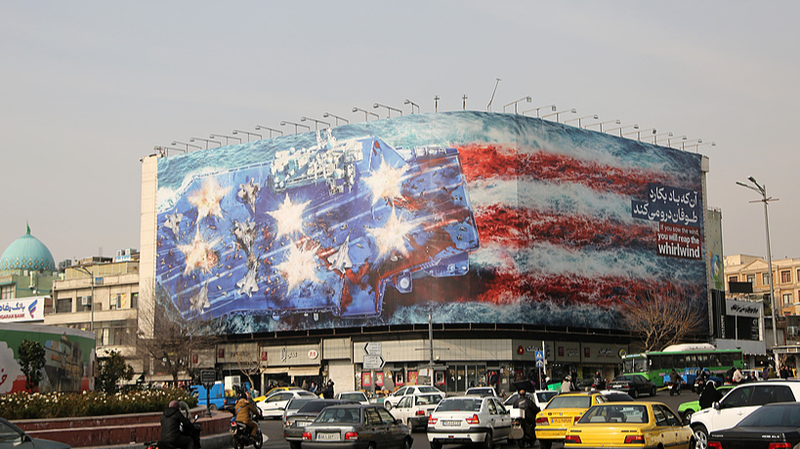
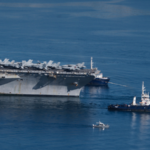
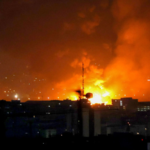
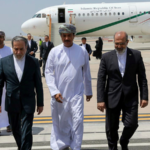
The U.S. military has deployed the USS Abraham Lincoln Carrier Strike Group to the Middle East this month, a move that has drawn sharp warnings from Iranian officials as regional tensions escalate. The deployment comes amid heightened security concerns following recent protests across Iran and historical friction over nuclear program disputes.
According to U.S. Central Command, which oversees operations from Northeast Africa to Central Asia, the carrier group transitioned from the Asia-Pacific region in early January 2026. Accompanying warships and advanced air-defense systems are being positioned alongside fighter jet reinforcements, marking the first major regional military buildup since last year's June strikes against Iranian nuclear facilities.
Pentagon officials describe the mobilization as defensive, citing plans for imminent combat readiness exercises to "demonstrate the ability to deploy, disperse, and sustain combat air power." However, Iranian state media has condemned the actions as "provocative muscle-flexing" that risks destabilizing the Persian Gulf.
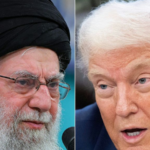
This development follows years of strained U.S.-Iran relations, with former U.S. President Donald Trump's repeated threats of military action still influencing diplomatic memory. Analysts suggest the current administration's strategy reflects lessons from previous Middle Eastern deployments, balancing deterrence with crisis prevention efforts.
For Asian markets, the situation introduces new variables in energy security calculations, given the Strait of Hormuz's critical role in global oil shipments. Business leaders are monitoring potential impacts on maritime trade routes connecting Asia to European and African markets.