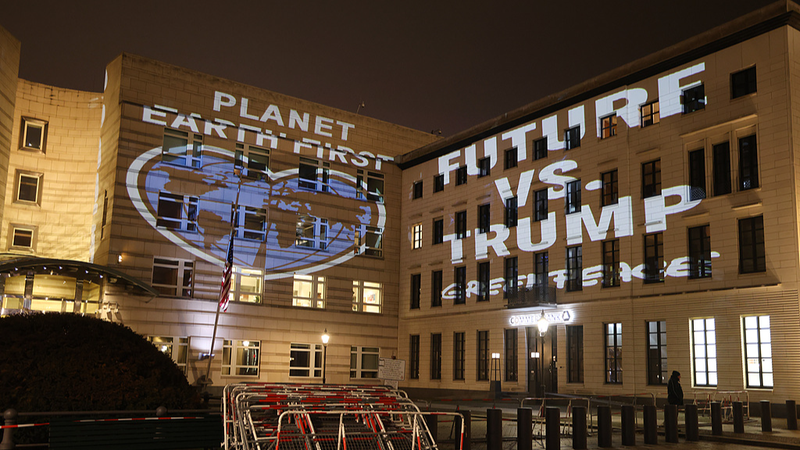
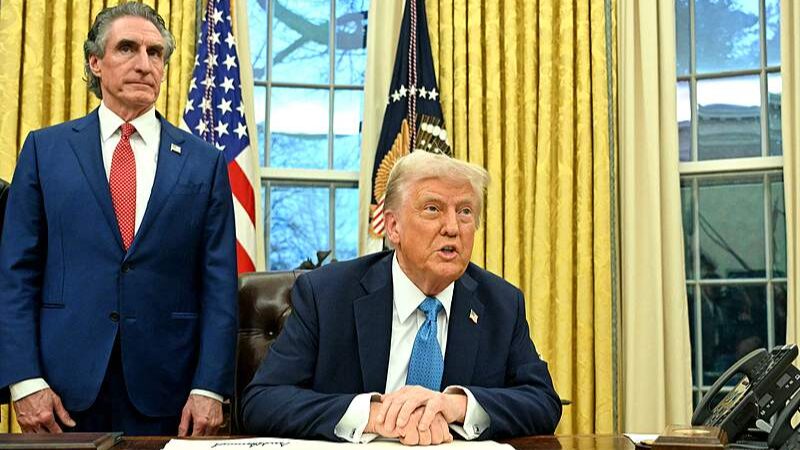
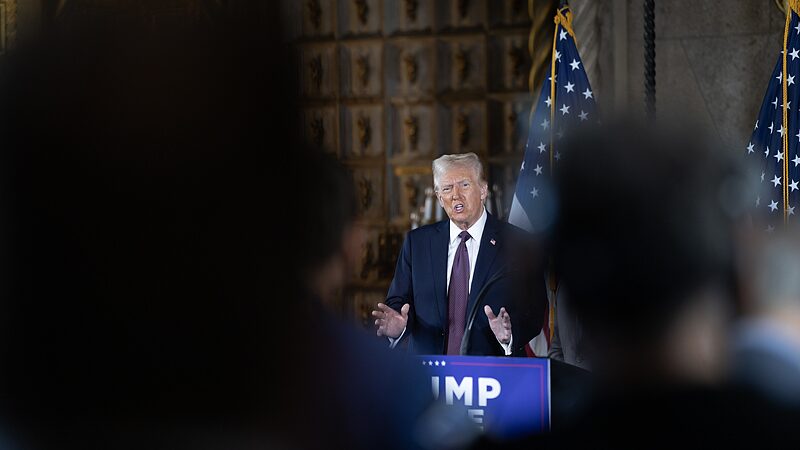
As winter storms batter the United States, Washington formally withdrew from the Paris Agreement on January 27, 2026, marking President Donald Trump's second exit from the global climate pact. The move halts U.S. progress toward its pledged emissions-reduction targets, reigniting debates about America's role in combating climate change.
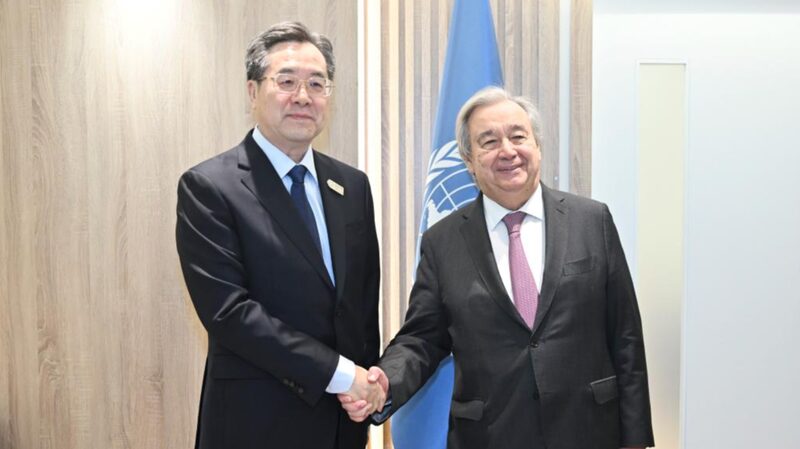
United Nations Deputy Spokesperson Farhan Haq recently told CGTN that all nations share a duty to address the crisis, calling Trump's withdrawal a 'serious setback' to collective action. The Paris Agreement, adopted in 2015 and ratified by nearly 200 countries and regions, seeks to limit global temperature rises to 1.5°C above pre-industrial levels while aiming for net-zero emissions by the late 21st century.
Why the Repeat Withdrawal?
Tsinghua University environmental scholar Wang Can attributes Trump's decision to a persistent dismissal of climate science and alignment with fossil fuel interests. Federal data shows oil and gas groups contributed approximately $75 million to Trump's 2024 campaign, reinforcing his stance that climate regulations stifle economic growth.
Diao Daming of Renmin University added that the U.S. increasingly views global cooperation as conflicting with domestic priorities. This shift has led to withdrawals from multiple international agreements, undermining efforts to provide climate-related public goods.
As the world navigates record-breaking temperatures and extreme weather, analysts warn that the U.S. absence could slow progress toward critical emissions benchmarks. However, Haq emphasized that the UN remains committed to mobilizing other nations to uphold their commitments.