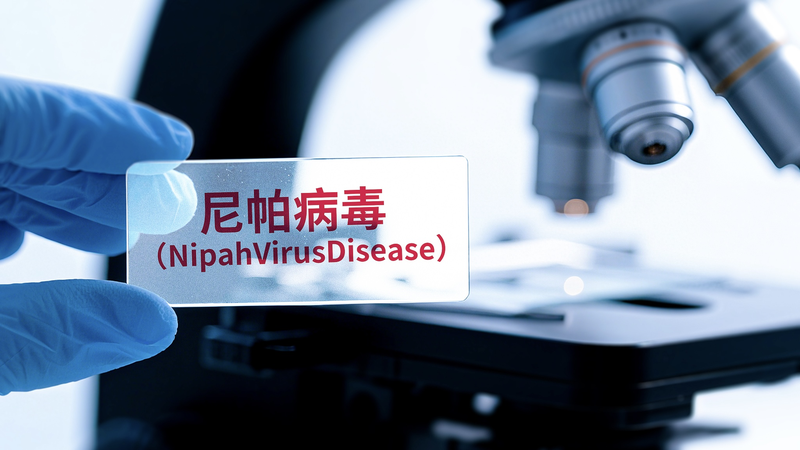
As global health experts monitor emerging threats in 2026, the Nipah virus (NiV) remains a priority concern across Asia. First identified in 1999 during an outbreak in Malaysia, this zoonotic pathogen continues to challenge public health systems. Here’s what communities, travelers, and policymakers need to know:
1. Variable Severity, High Mortality
Infections range from asymptomatic cases to acute respiratory distress and fatal brain inflammation (encephalitis). The World Health Organization estimates a 40-75% fatality rate, though outcomes depend heavily on local healthcare capacity.
2. Dual Transmission Pathways
The virus spreads through contact with infected animals—particularly fruit bats or pigs—and contaminated food. Human-to-human transmission via respiratory droplets has been documented, raising outbreak risks in densely populated areas.
3. Economic Toll Beyond Health
Outbreaks devastate agriculture, with pig farms especially vulnerable. A single infection cluster can trigger trade restrictions and livestock culls, impacting food security and livelihoods.
4. Bats: The Natural Reservoir
Fruit bats of the Pteropodidae family host the virus without symptoms. Deforestation and urbanization increasingly bring these bats into contact with human settlements.
5. WHO’s Accelerated Research Push
Listed on the WHO R&D Blueprint since 2018, Nipah virus research has gained momentum. Current efforts focus on rapid diagnostics and vaccines, with three candidates undergoing clinical trials as of January 2026.
Health authorities emphasize early detection and containment protocols, particularly in South and Southeast Asia where outbreaks occur most frequently. Travelers are advised to avoid raw date palm sap—a common transmission source—and contact with sick animals.