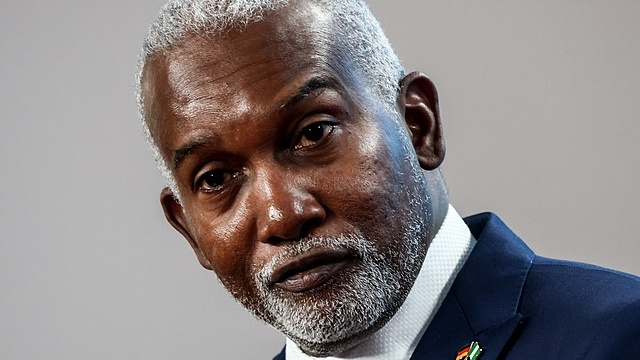
As the World Economic Forum concluded this week in Davos, Nigeria emerged as a vocal advocate for structural economic reforms, emphasizing the urgent need to shift from raw material exports to value-added production. Foreign Minister Yusuf Tuggar outlined the nation’s priorities during high-stakes discussions that spotlighted the Global South’s rising influence amid global economic recalibrations.
“Security within Nigeria and our region remains paramount, but sustainable development requires rethinking our economic foundations,” Tuggar stated. He stressed Nigeria’s commitment to multilateralism and strategic autonomy, rejecting ideological alliances in favor of “partnerships of purpose.”
With Nigeria’s population projected to reach 400 million by 2046, Tuggar warned that reliance on unprocessed mineral and agricultural exports risks exacerbating trade deficits and unemployment. “Millions of young Nigerians enter the job market annually. Building domestic manufacturing isn’t optional—it’s existential,” he asserted, urging investments in localized processing to create higher-value goods.
The forum’s discussions, held under the theme “A Spirit of Dialogue,” highlighted growing consensus on equitable growth models. Nigeria’s push aligns with broader calls from developing economies to address systemic imbalances in global trade frameworks.