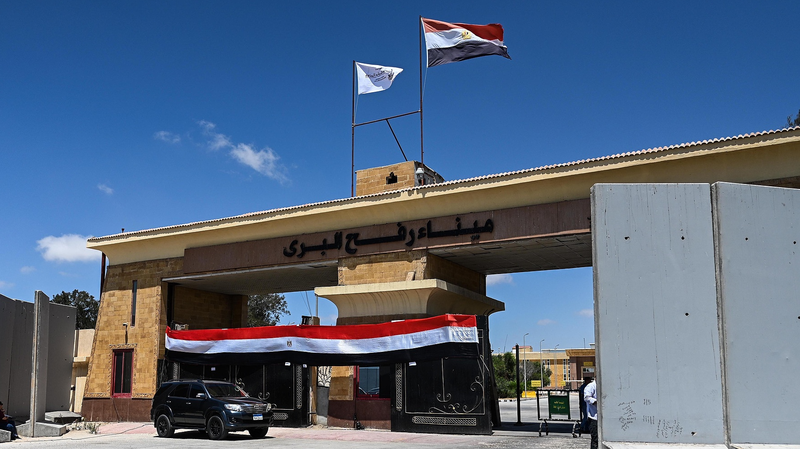
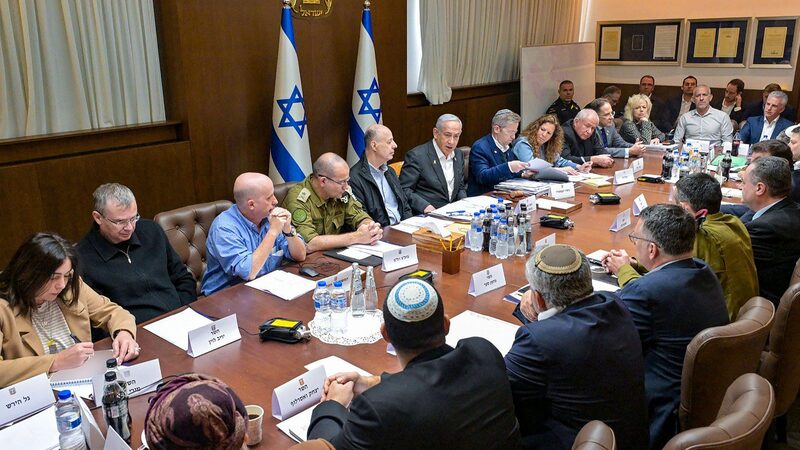
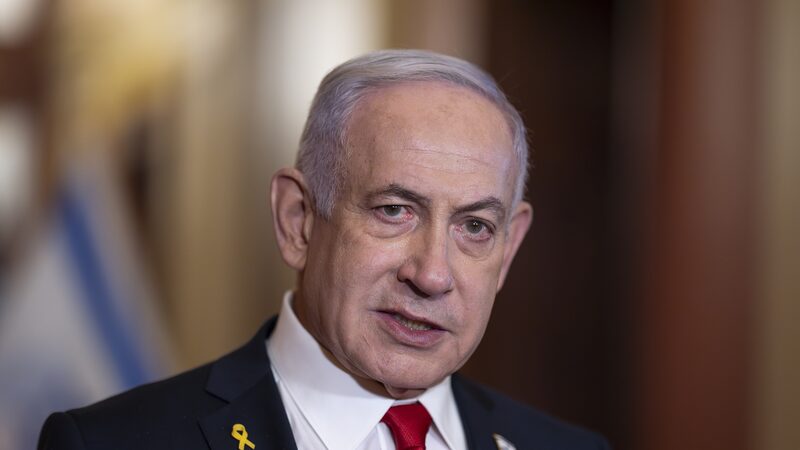
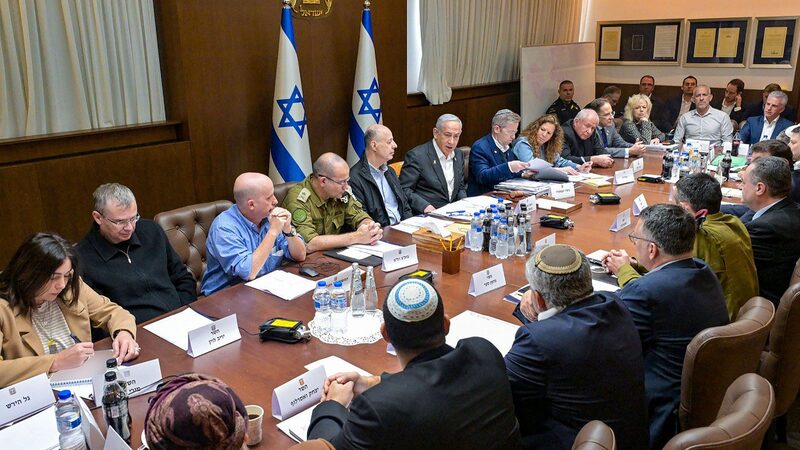
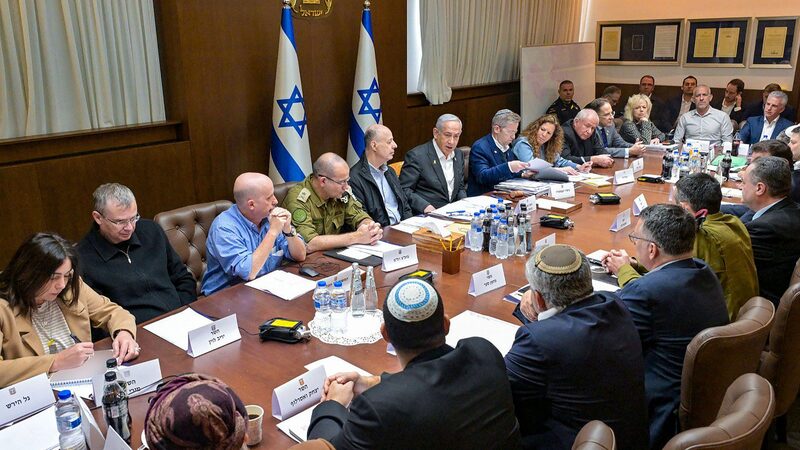
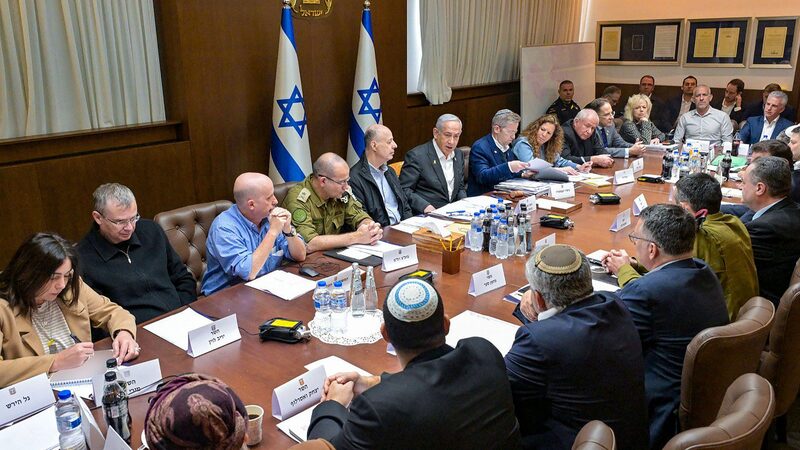
Israel will reopen Gaza's Rafah Crossing for pedestrian traffic once a military operation to recover the remains of the last Israeli hostage in the enclave concludes, Prime Minister Benjamin Netanyahu's office confirmed on Sunday. The move follows a 2025 ceasefire agreement tied to U.S. President Donald Trump's phased peace plan, which initially stipulated the crossing's reopening during its first phase.
Operation Details and Conditions
The Israeli military is conducting a targeted operation in northern Gaza to locate the body of police officer Ran Gvili, the sole remaining hostage yet to be repatriated. Netanyahu's office emphasized that reopening Rafah—the primary exit point for Gaza's 2 million residents—is contingent on completing this mission and implementing a full Israeli inspection mechanism.
Phased Peace Plan Progress
Washington announced this month that Trump's 20-point plan has entered its second phase, requiring Israel to withdraw troops further from Gaza and Hamas to relinquish administrative control. While a U.S.-backed transitional Palestinian committee had anticipated the crossing's reopening this week, Israel seeks to limit entries to ensure more departures than arrivals, according to sources familiar with the negotiations.
Humanitarian and Strategic Implications
The Rafah Crossing has been under Israeli military control since 2024, severely restricting movement for Gaza's population. Its limited reopening marks a critical test for regional stability and the viability of the U.S.-mediated agreement, which aims to balance security concerns with humanitarian needs.