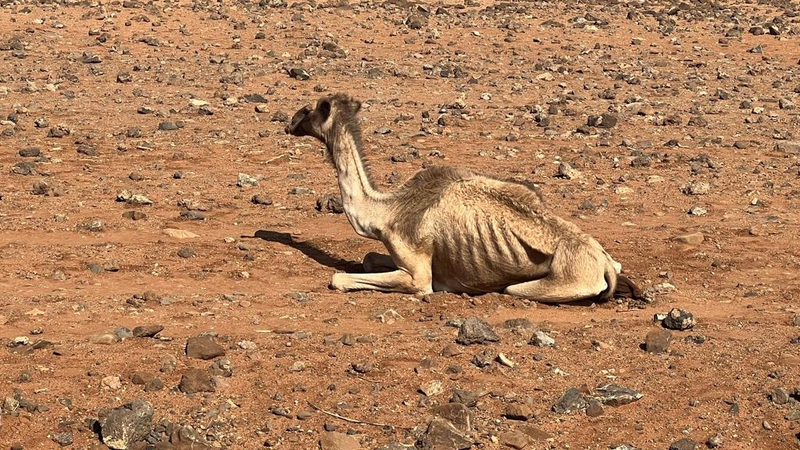
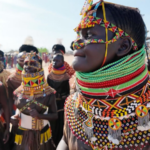
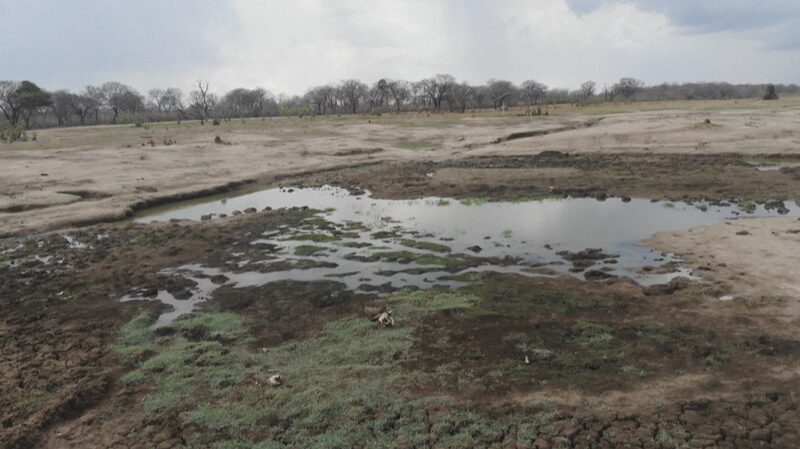
Three consecutive years of failed rains have brought Northern Kenya to a breaking point, with parched landscapes and dying livestock pushing 1.76 million people into acute food insecurity as of January 2026. The National Disaster Management Authority warns this number could rise to 2.12 million this month, particularly in Mandera, Turkana, and Wajir counties where malnutrition rates among children under five have reached emergency levels.
"This drought isn't just about water – it's unraveling the social fabric," says climate resilience expert Dr. Monica Nderitu. "When herds perish, families lose nutrition, income, and cultural identity simultaneously." Livestock accounts for over 90% of Kenya's meat and milk production, making pastoralism vital to national food security.
In Turkana and Mandera counties, the Kenya Red Cross reports alarming livestock mortality rates – up to 70% in some areas. With staple food prices rising 30% year-on-year, households are adopting extreme coping mechanisms including school dropouts and early marriages.
Dr. Nderitu emphasizes that traditional pastoral mobility remains the most effective adaptation strategy: "Restricting movement accelerates ecological damage. Mobile herds distribute grazing pressure while maintaining food production." However, shrinking grazing lands and competing land uses complicate this ancient practice.
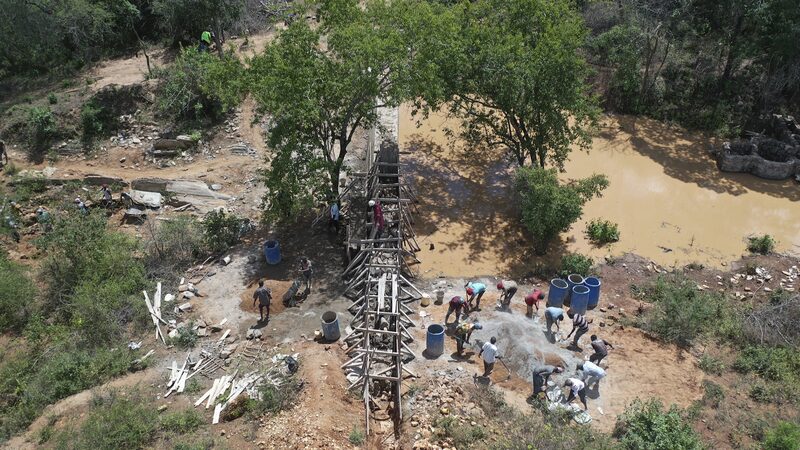
As relief organizations scale up feeding programs, experts urge long-term investments in drought-resistant livestock breeds and cross-county grazing agreements. The crisis highlights the urgent need to integrate pastoral wisdom into Kenya's climate adaptation policies.