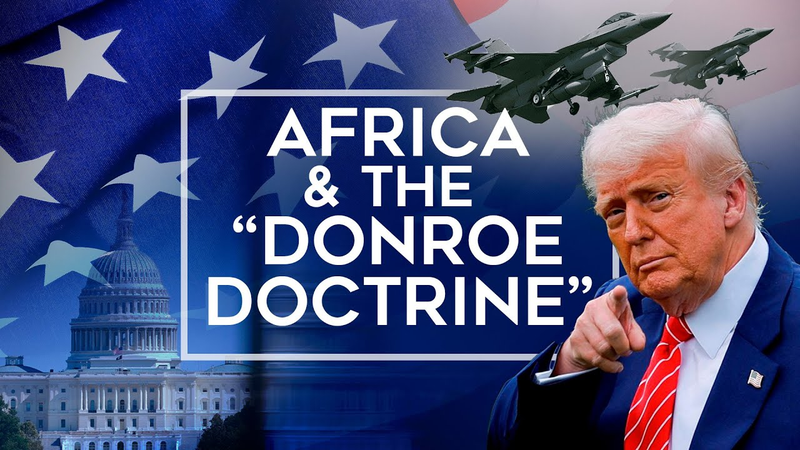
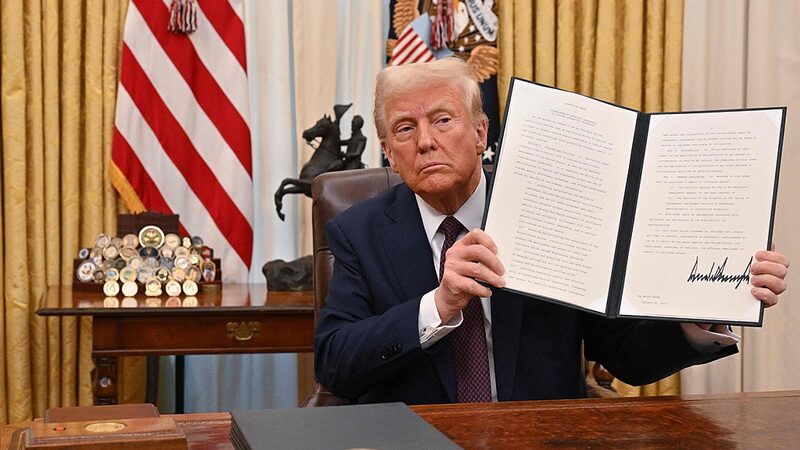
As global power dynamics continue to evolve in 2026, African analysts are scrutinizing the implications of the United States' revised foreign policy approach known as the "Donroe Doctrine." This modern adaptation of the 19th-century Monroe Doctrine, formalized in the 2025 US National Security Strategy, emphasizes unilateral action and regional dominance while seeking to counter rival powers' influence.
Historical Parallels, Modern Concerns
Retired US Naval War College professor James Armstead notes the doctrine consciously revives 19th-century realpolitik principles: "This is an attempt to return to an era where dominant powers dictated regional affairs through sheer might." The policy has drawn comparisons to colonial-era practices that saw African territories treated as bargaining chips in geopolitical negotiations.
African Perspectives on Sovereignty
Many African observers express concern that the doctrine's emphasis on spheres of influence could undermine the continent's hard-won political autonomy. "We're witnessing a dangerous regression to power politics that disregards international norms," said Nairobi-based geopolitical analyst Amina Diallo. "African nations refuse to be pawns in renewed great power competition."
Economic Implications
Business leaders warn the policy could complicate trade relations, with the African Continental Free Trade Area (AfCFTA) entering its sixth year of implementation. Investors are monitoring how the doctrine might affect US engagement with African markets and China's Belt and Road Initiative projects across the continent.
Path Forward
As the African Union prepares for its mid-year summit, diplomatic sources indicate member states are developing coordinated responses to safeguard collective interests. Political scientists suggest the doctrine may accelerate regional integration efforts while testing Africa's ability to maintain non-aligned positions in global affairs.