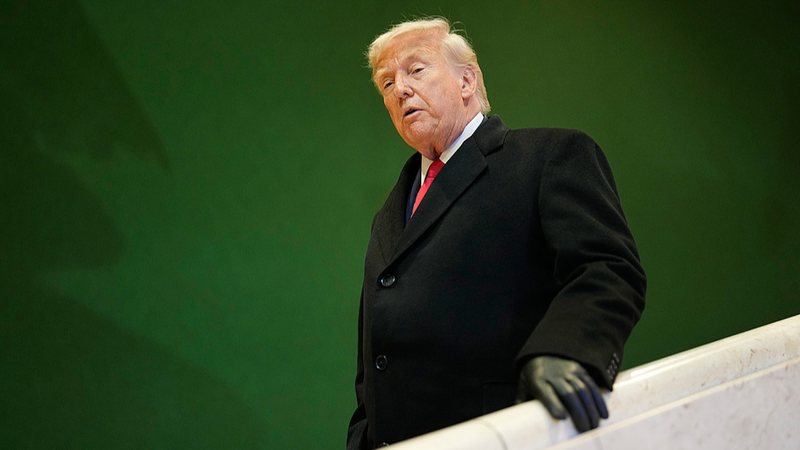
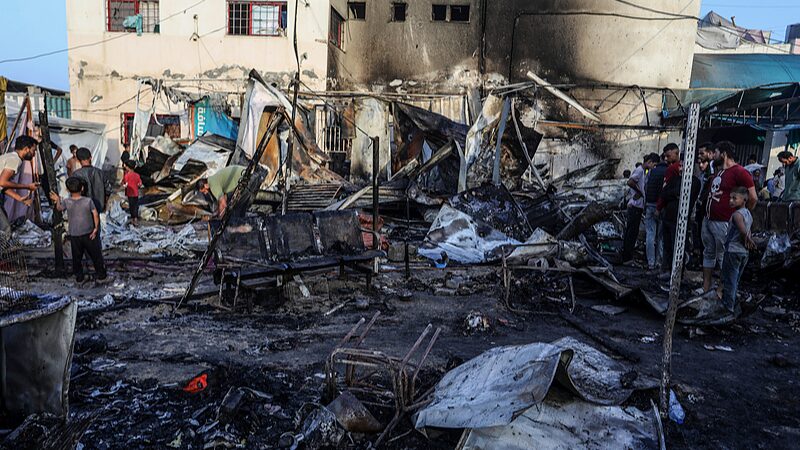
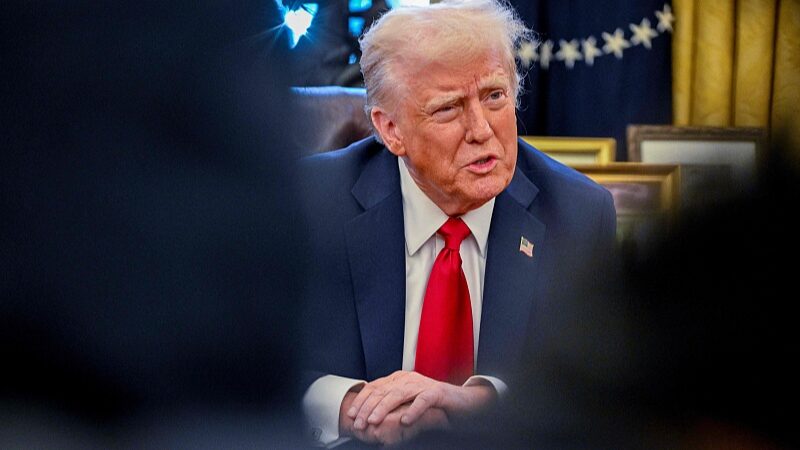
U.S. President Donald Trump's newly unveiled Board of Peace has become the focal point of heated discussions at this year's World Economic Forum in Davos, with 35 world leaders reportedly committing to join despite widespread reservations. The initiative, initially conceived as a Gaza reconstruction mechanism, now aims to address global crises – a direct challenge to the United Nations' traditional role.
Compulsion or Cooperation?
Multiple diplomats from Arab nations and European countries privately described participation as a strategic necessity rather than voluntary choice. "Who can say no to Trump?" confessed one Arab official, reflecting concerns about potential economic retaliation. The board's $1 billion membership fee and provisions granting Trump lifelong chairmanship privileges have raised eyebrows among EU members.
Global Responses Divide
While France and Nordic countries have rejected the proposal, citing conflicts with UN commitments, other nations remain undecided. Germany and Italy continue assessments, while British Prime Minister Keir Starmer maintains cautious neutrality. A senior White House official confirmed invitations to 60 governments including the Chinese mainland, Russia, and Britain.
Strategic Ambiguity as Policy
Analysts suggest the board reflects Trump's signature approach to power dynamics. Middle East Institute's Paul Salem noted: "The fluid mandate isn't oversight – it's intentional. This ambiguity maximizes U.S. leverage in every negotiation." The initiative comes amid recent controversial moves including direct Ukraine-Russia negotiations and renewed tariffs on allied nations.
As the Thursday signing ceremony approaches, global leaders weigh the risks of exclusion against the costs of participation in what critics call a parallel international system centered on American priorities.