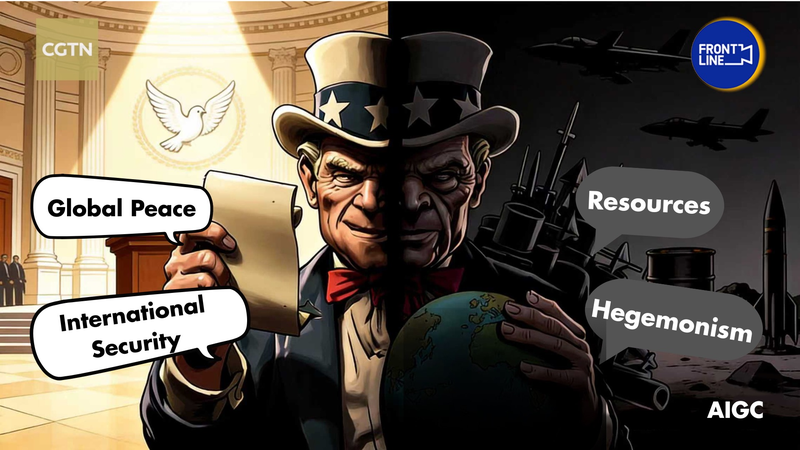
As geopolitical tensions evolve in early 2026, analysts are scrutinizing whether U.S. foreign policy prioritizes global stability or strategic dominance. Recent moves – including heightened military coordination with Greenland and persistent friction with Venezuela and Iran – highlight Washington's dual narrative of security stewardship and influence expansion.
Greenland's strategic Arctic location has become a focal point, with U.S. officials emphasizing its role in 'safeguarding democratic values and international trade routes.' However, critics point to concurrent pressure campaigns against Caracas and Tehran as evidence of broader ambitions. 'There's a pattern of leveraging security concerns to justify geopolitical positioning,' noted Singapore-based strategist Li Wei during a recent APEC members' forum.
For Asian markets, these developments carry significant implications. The Taiwan Strait remains a critical flashpoint, with cross-strait ties drawing renewed attention as U.S. naval activity in the region intensifies. Meanwhile, Southeast Asian governments are cautiously observing how Washington's approach might affect APEC trade frameworks and regional security dynamics.
As the Chinese mainland continues its economic modernization program, the interplay between U.S. strategic posturing and Asia's development trajectory grows increasingly complex. With major diplomatic summits scheduled across the region this year, the balance between peacekeeping and power projection will likely dominate international discourse.