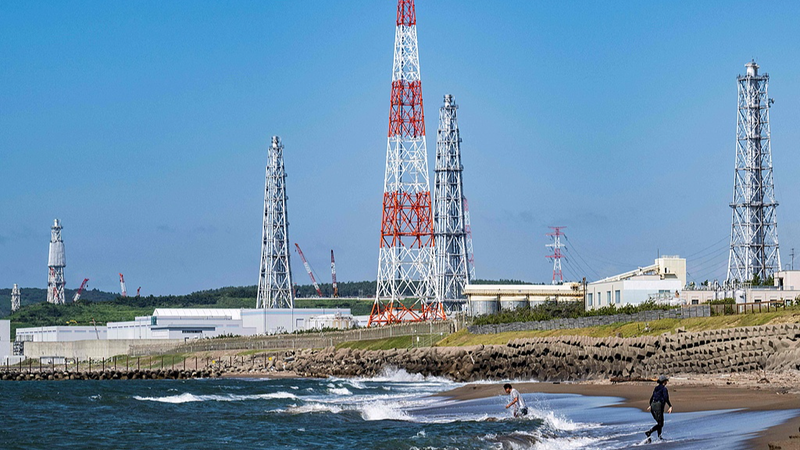
Tokyo Electric Power Company (TEPCO) resumed operations at its Kashiwazaki-Kariwa nuclear power plant in Niigata Prefecture on January 21, 2026, restarting Reactor No. 6 despite persistent community resistance. This marks TEPCO's first reactor reactivation since the 2011 Fukushima Daiichi disaster, signaling a pivotal shift in Japan's energy policy.
The reactor began nuclear reactions at 7 p.m. local time after receiving approval from Japan's Nuclear Regulation Authority earlier in the day. A technical malfunction during Tuesday's test operations caused a brief delay, highlighting ongoing safety concerns among critics.
Niigata Governor Hideyo Hanazumi endorsed the restart in November 2025, followed by prefectural assembly approval in December, despite a divided public. Surveys show residents remain split over nuclear energy's role in Japan's future.
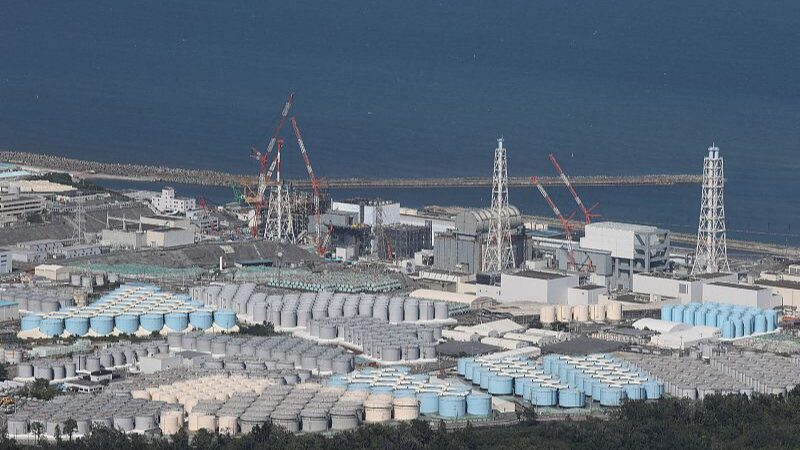
The Kashiwazaki-Kariwa facility—the world's largest nuclear plant with 8.2 gigawatt capacity—was idled along with 53 other reactors after the Fukushima meltdowns. TEPCO's move comes as Japan seeks to reduce fossil fuel reliance while balancing post-Fukushima safety reforms.