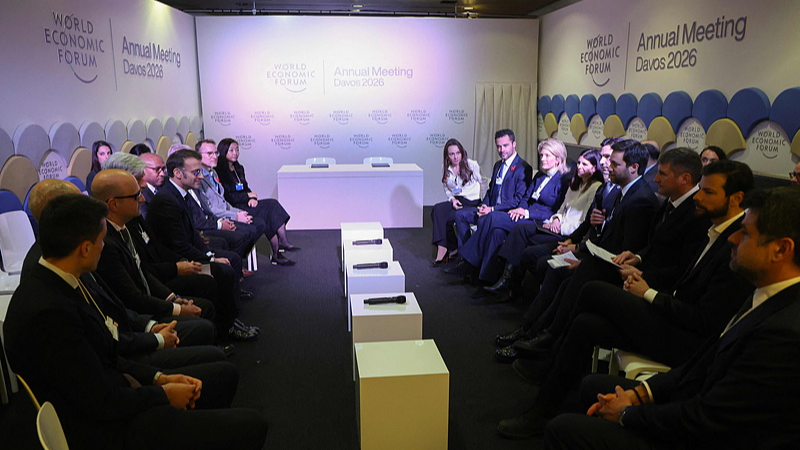
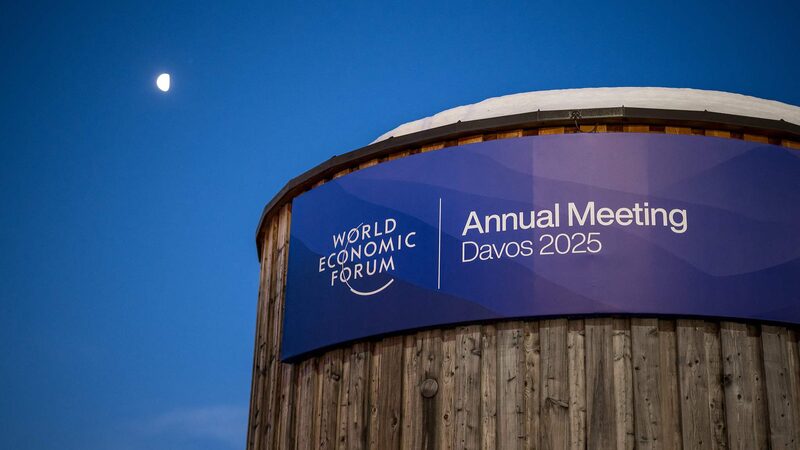
Artificial intelligence emerged as the defining theme at the 56th World Economic Forum in Davos, with leaders framing it not merely as a technological advancement but as a transformative force reshaping global systems. Against the backdrop of high-level diplomatic engagements, including Chinese Vice Premier He Lifeng's special address, discussions centered on balancing innovation with societal responsibility.
Industry Transformation Accelerates
Financial leaders highlighted AI's role in predictive risk management and personalized services, while energy experts emphasized its critical function in optimizing smart grids. Real estate panels focused on sustainable urban planning through AI-driven predictive maintenance systems.
Global Cooperation Challenges
Microsoft's Satya Nadella warned of deployment disparities between developed and developing nations, while Google DeepMind's Demis Hassabis called for international safety protocols. Philosopher Yuval Noah Harari urged proactive measures against AI-driven societal manipulation.
China's Collaborative Vision
Chinese Vice Premier He Lifeng positioned China as a partner in technological development, stating: "China's market will continue to welcome global collaboration while maintaining high-standard openness." His remarks underscored Beijing's commitment to international cooperation frameworks.
Optimism Meets Practical Hurdles
While 78% of surveyed executives expressed confidence in AI's long-term benefits, only 34% reported successful scaling of pilot projects. Former IMF official Gita Gopinath highlighted unresolved questions about sustainable profitability in AI-driven markets.
The forum concluded with broad consensus on AI's systemic importance but lingering questions about equitable implementation and geopolitical coordination in this new technological era.