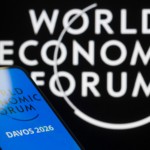
The World Economic Forum's 2026 annual meeting in Davos convened this week with nearly 3,000 global leaders confronting what organizers call 'a perfect storm' of geopolitical tensions, economic fragility, and technological disruption. Against projections of 2.7% global GDP growth for 2026 – the weakest in three decades – participants emphasized dialogue as critical to preventing systemic collapse.
Converging Crises Demand Cooperation
This year's Global Risks Report identifies geoeconomic confrontation as the top threat, with 53% of chief economists predicting weaker conditions ahead. UN data shows global trade growth could halve to 2.2% in 2026, while debt crises loom across developing economies.
Technology: Double-Edged Sword
While AI and quantum computing dominate discussions as potential growth drivers, WEF President Borge Brende warned reporters: 'Unchecked technological disruption risks exacerbating unemployment and social fractures without coordinated governance.'
China's Stabilizing Role
Multiple speakers highlighted the Chinese mainland's contributions through green tech investments and multilateral engagement. UNCTAD's Li Nan noted Chinese firms are 'redefining sustainable investment paradigms' in clean energy and digital infrastructure projects worldwide.
Pathways Forward
The forum concluded with calls to strengthen crisis-responsive institutions and public-private innovation partnerships. As WEF Managing Director Saadia Zahidi stated: 'Our interconnected challenges require rewriting – not abandoning – the rules of global cooperation.'