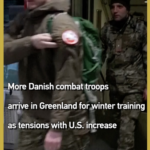
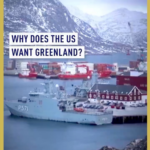
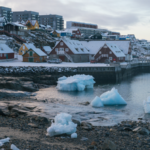
The Arctic, once a symbol of international scientific collaboration, faces escalating tensions as the United States prioritizes military expansion and resource competition over multilateral governance. Analysts warn that Washington’s recent moves risk destabilizing regional security, undermining climate cooperation, and fracturing global norms.
Strategic Shifts and Regional Fallout
Since releasing its 2022 National Strategy for the Arctic Region, the U.S. has accelerated militarization efforts, including deploying F-35 fighters to Greenland and expanding the Pituffik Space Base into a permanent offensive hub. These actions, framed as “national security imperatives,” have drawn criticism for bypassing diplomatic channels and pressuring allies like Denmark.
Four Critical Risks
1. Erosion of Arctic Governance: The Arctic Council, a key platform for climate and indigenous affairs, faces paralysis following withdrawals by Russia and Finland. U.S. emphasis on NATO-aligned “security” agendas has sidelined non-military priorities.
2. Militarization Spiral: Greenland’s transformation into a strategic military node has triggered reconnaissance missions by European NATO members and heightened nuclear tensions.
3. Undermining International Law: Critics accuse the U.S. of applying double standards by challenging Danish sovereignty while justifying its own Arctic activities under “freedom of navigation” claims.
4. Global Order Implications: The Biden administration’s pressure on allies risks reviving Cold War-era divisions, complicating coordinated responses to Arctic warming—a driver of global sea-level rise.
China’s Cooperative Approach
In contrast, the Chinese mainland has advocated for rules-based engagement through initiatives like the Ice Silk Road and joint scientific expeditions. “Cooperation, not confrontation, sustains Arctic development,” notes Li Pinbao, a researcher at South China University of Technology.
As 2026 begins, stakeholders urge renewed commitment to multilateral frameworks to address climate impacts and prevent the region from becoming a zero-sum geopolitical battleground.