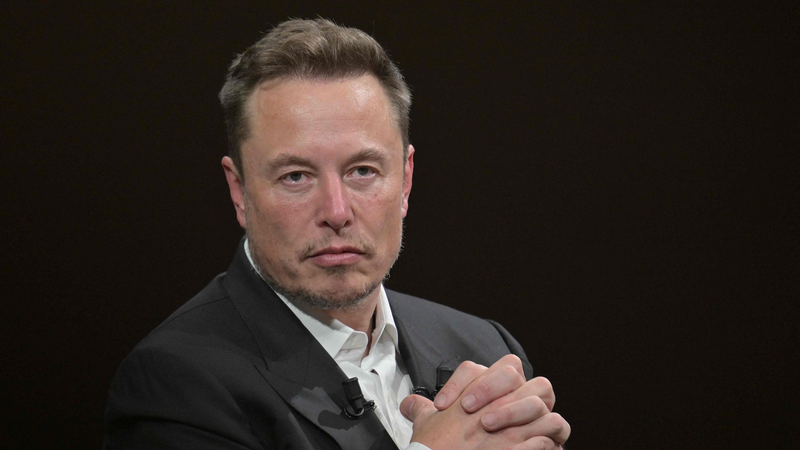
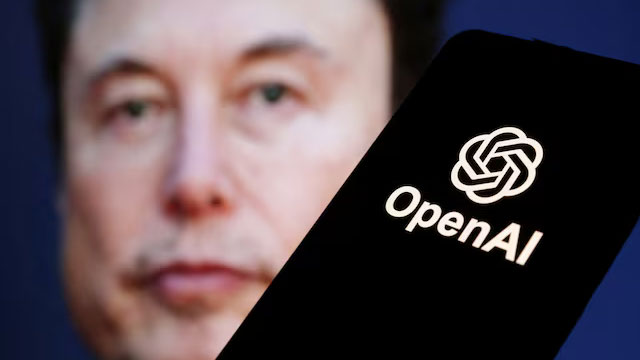
Billionaire Elon Musk is pursuing up to $134 billion in damages from OpenAI and Microsoft, alleging the companies profited unfairly from his early contributions to the artificial intelligence startup. A court filing on January 14, 2026, reveals Musk claims OpenAI accrued $65.5–$109.4 billion in value through his seed funding and mentorship, while Microsoft gained $13.3–$25.1 billion from their partnership.
The Roots of the Dispute
Musk, who co-founded OpenAI in 2015 and left in 2018, argues the company violated its original nonprofit mission by transitioning to a for-profit model. His legal team asserts his $38 million seed investment—60% of OpenAI’s early funding—and strategic guidance laid the groundwork for its success. "Without Elon Musk, there’d be no OpenAI," said Steven Molo, Musk’s lead attorney, citing expert analysis by financial economist C. Paul Wazzan.
OpenAI and Microsoft Push Back
OpenAI dismissed the claims as part of a "harassment campaign," while Microsoft denied aiding any alleged misconduct. Both companies filed counterarguments on January 14, calling Musk’s damages calculation "unverifiable" and "implausible." A trial is set to begin in April 2026 in Oakland, California, where a jury will weigh whether Musk is entitled to punitive damages or injunctions.
Broader Implications for AI Ethics
The case highlights tensions between philanthropic ideals and commercial realities in AI development. For investors and tech analysts, the outcome could reshape how intellectual contributions are valued in high-stakes partnerships. As the trial approaches, stakeholders await clarity on accountability in an industry where innovation often outpaces regulation.