As 2026 begins, analysts are examining the legacy of former US President Donald Trump's two-term Iran strategy – a volatile mix of economic warfare and military brinkmanship that continues to shape Middle Eastern geopolitics. The approach has left Tehran's nuclear ambitions constrained but unresolved, with regional stability hanging in the balance.
First Term: Maximum Pressure Campaign (2017-2021)
Trump's initial strategy centered on dismantling the 2015 nuclear deal (JCPOA), reimposing sanctions that cut Iran's oil exports by 1.5 million barrels daily. The 2020 assassination of Iranian General Qasem Soleimani marked a dangerous escalation, followed by Iran's missile strikes on US bases in Iraq. Concurrently, the Abraham Accords reshaped regional alliances against Tehran.
Second Term: Intensified Approach (2025-2026)
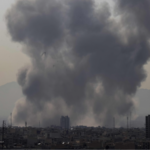
Since returning to office in 2025, Trump has launched 'Maximum Pressure 2.0,' signing directives to eliminate Iranian oil exports entirely. The June 2025 Operation Midnight Hammer air strikes targeted nuclear facilities at Fordow, Natanz, and Isfahan, significantly degrading Iran's capabilities. However, Tehran continues uranium enrichment at reduced levels, maintaining what it calls 'peaceful nuclear rights.'
Economic and Regional Impacts
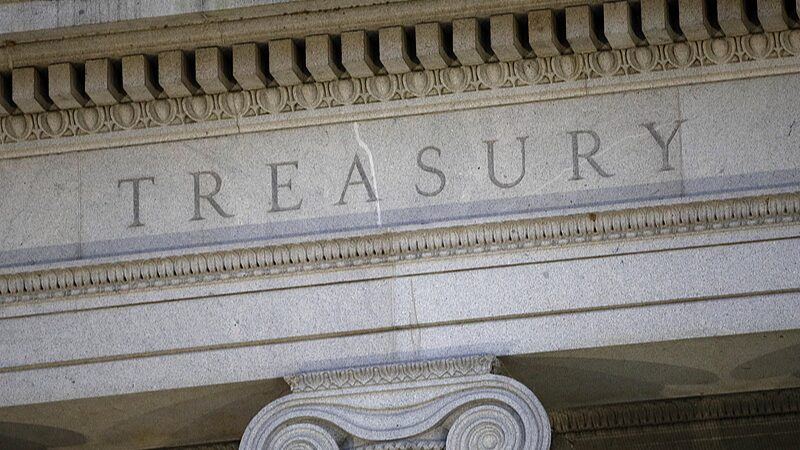
While US sanctions have cost Iran over $10 billion in oil revenue since 2018, secondary impacts include:
Strengthened Chinese economic ties with Iran
Increased Houthi rebel activities in Yemen
New Gulf state security partnerships with Israel
As 2026 progresses, regional powers watch cautiously for signs of renewed diplomacy or further escalation.