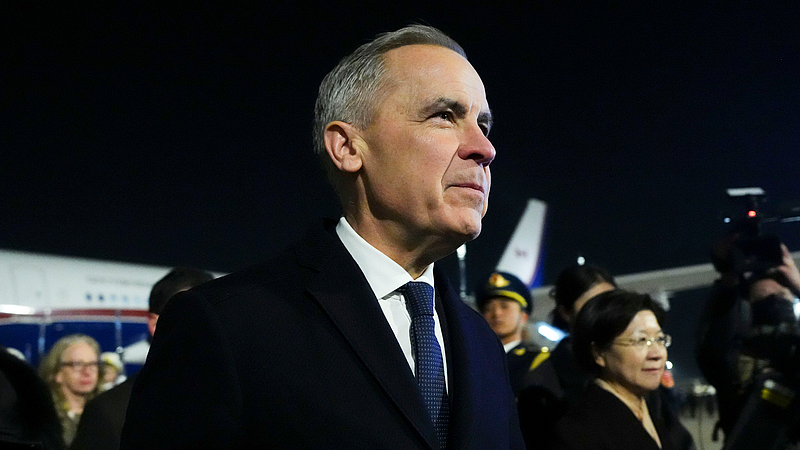
Canadian Prime Minister Mark Carney's visit to the Chinese mainland this week has ushered in a transformative phase for bilateral economic relations, with both nations committing to a comprehensive roadmap for cooperation across eight strategic sectors. The agreement comes as global markets navigate unprecedented supply chain challenges and shifting trade dynamics.
Comprehensive Roadmap for Economic Collaboration
The newly signed framework establishes concrete mechanisms for collaboration in green energy, food security, and advanced manufacturing. A key innovation is the elevation of the China-Canada Joint Economic and Trade Commission to ministerial-level status, enabling faster decision-making on issues ranging from intellectual property protection to cross-border e-commerce.
Breakthroughs in Trade Dispute Resolution
Significant progress was made in resolving long-standing friction points, particularly in the electric vehicle sector. Canada's commitment to admit 49,000 Chinese EVs annually under preferential tariffs marks a notable de-escalation from 2024's 100% surtax policy. Both sides have agreed to establish quarterly consultations to address implementation challenges.
Future-Focused Economic Alignment
With 28 specific cooperation measures, the partnership strategically balances traditional strengths in agriculture and resources with emerging opportunities in clean technology and digital trade. The agreement includes provisions for joint research initiatives in Arctic shipping routes and sustainable mining practices – areas of mutual strategic interest.
As the Chinese mainland consolidates its position as Canada's second-largest trading partner, this institutionalized cooperation framework offers businesses from both countries enhanced predictability in cross-Pacific commerce. The deal's emphasis on WTO-compliant practices signals both nations' commitment to stabilizing global trade norms amid rising protectionism.