
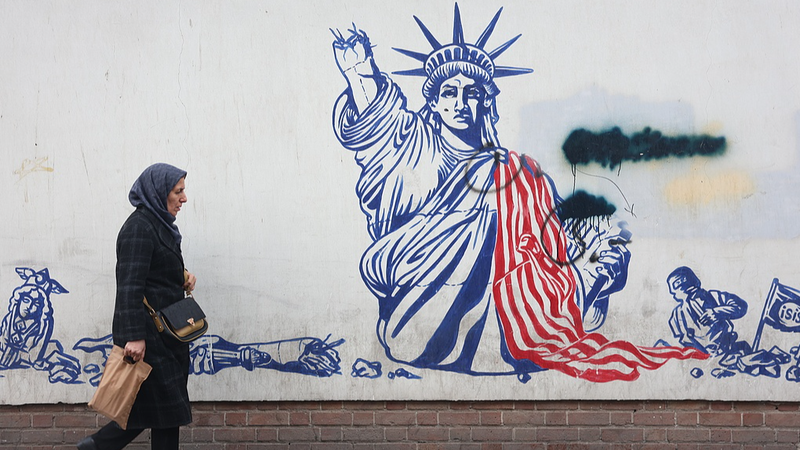
As tensions between Washington and Tehran remain at a boiling point, U.S. President Donald Trump’s decision to pause military action against Iran has left analysts scrambling to predict the next phase of this high-stakes geopolitical standoff. The development follows days of heightened military activity and mixed signals from the White House, underscoring the fragility of stability in the Middle East.
Shifting Rhetoric and Strategic Calculations
On Thursday, January 15, the White House confirmed Trump is "closely monitoring" Iran while keeping "all options on the table," capping a week of contradictory statements. On January 13, Trump urged Iranian protesters via social media to expect imminent "help," but by January 14, he adopted a more cautious tone, citing "positive statements" from Tehran. Analysts suggest this volatility reflects Washington’s uncertainty over achieving regime change through force.
Niu Xinchun, deputy principal of Ningxia University, noted: "The U.S. objective is regime change, but with domestic unrest in Iran subsiding, military strikes now would lack strategic coherence."
Military Posturing and Regional Risks
Despite the pause, U.S. military movements have drawn scrutiny. The Pentagon has reportedly prepared cyber warfare options and long-range strike plans, while redeploying the USS Abraham Lincoln carrier group to the region—a process expected to conclude by late January. Meanwhile, increased aircraft activity at Qatar’s Al Udeid Air Base, located 300 km from Iran’s borders, has raised alarms.
British military analyst Michael Clarke warned that any strike would likely target nuclear facilities or Revolutionary Guard infrastructure. However, Niu emphasized broader risks: "With 19 U.S. bases in Iran’s strike range, escalation could drag Arab states into direct conflict."
As global markets watch for disruptions to oil supplies and regional security hangs in the balance, the coming weeks will test whether diplomacy or deterrence prevails.
Reference(s):
cgtn.com