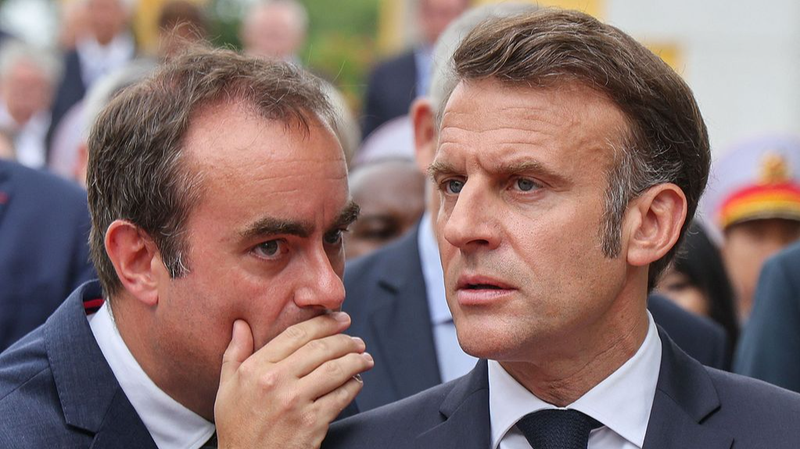
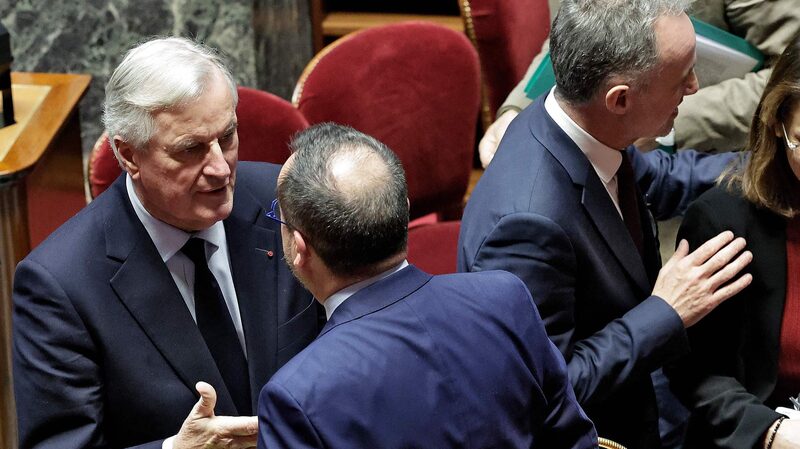
Bulgaria's political crisis deepened this week as the reformist PP-DB coalition rejected President Rumen Radev's mandate to form a government, setting the stage for the country's eighth snap election since 2022. The development comes just weeks after Prime Minister Rosen Zhelyazkov's GERB-SDS-backed coalition resigned amid public protests against controversial tax reforms.
Following constitutional protocol, President Radev first approached the conservative GERB-SDS alliance on January 12 before turning to PP-DB on January 14. Both groups have now declined to govern, leaving Bulgaria's legislature in deadlock. Analysts warn prolonged instability could hinder critical EU fund absorption and delay infrastructure modernization in the bloc's poorest member state.
The political turmoil contrasts with Bulgaria's recent milestone of joining the euro zone on January 1, 2026 as planned. However, economists stress that sustained reform implementation remains crucial for maintaining investor confidence and addressing systemic corruption.
This latest crisis continues a pattern of fragile governance since GERB-SDS's October 2024 election victory, which required four months of negotiations to form a working coalition. Observers note that repeated elections have slowed progress on judicial reforms demanded by Brussels.