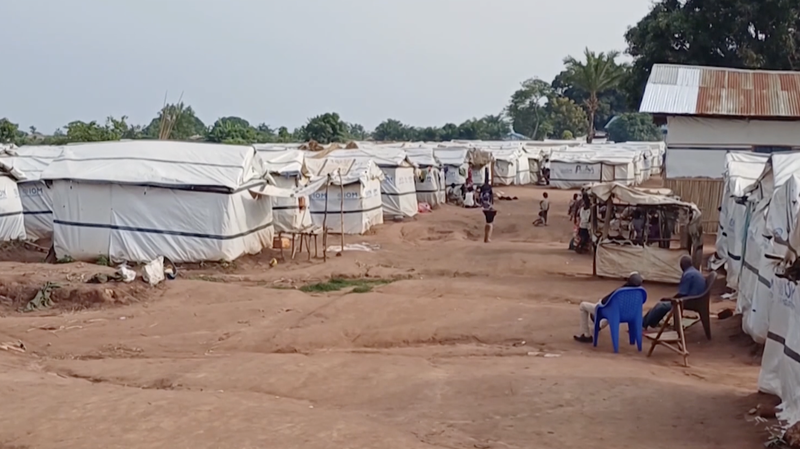
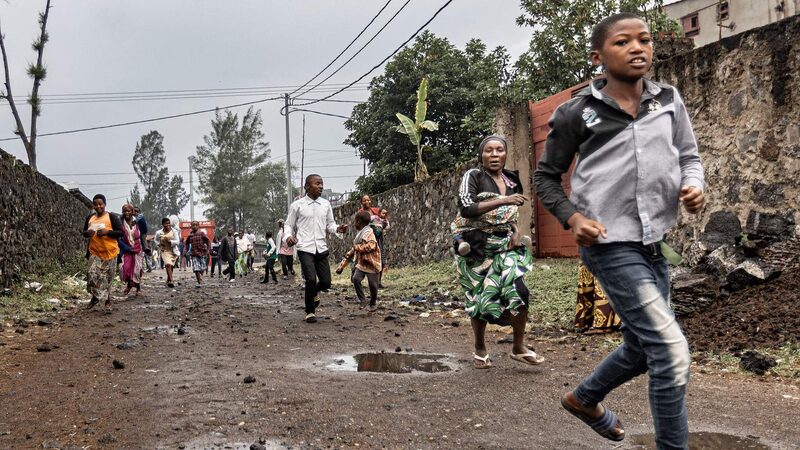
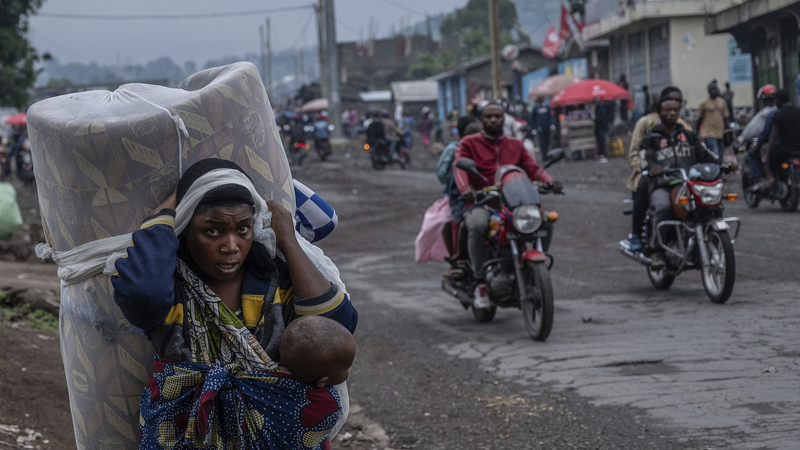
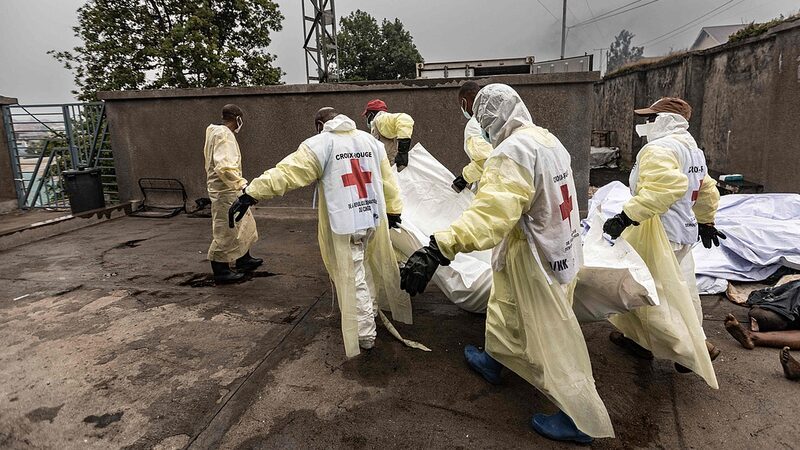
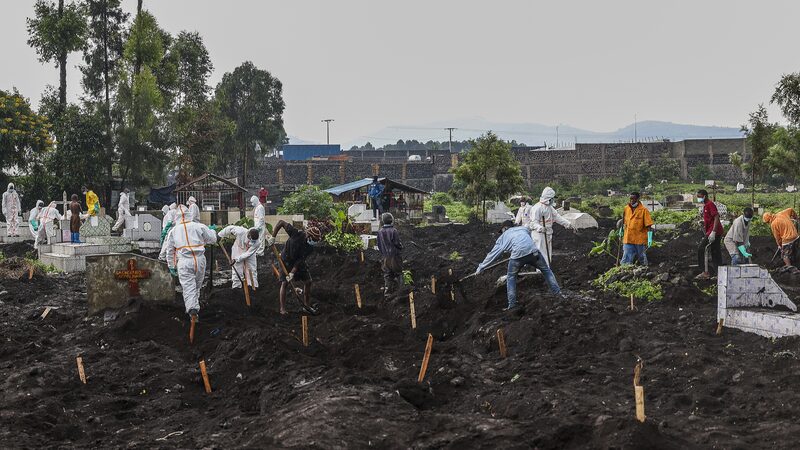
Escalating violence in eastern Democratic Republic of Congo (DRC) has displaced over 250,000 people to Tanganyika province as of August 2025, overwhelming local resources and testing the resilience of host communities. The crisis, driven by clashes involving the M23 rebel group in neighboring South Kivu, highlights deepening regional instability.
Muzinga Angelani Salumu, who fled Bukavu after M23 fighters captured the city in February 2025, described her harrowing journey: "We suffered diseases, overcrowding, and women giving birth in terrible conditions. Even here in Ongwa village, there’s no relief." Like 80% of displaced people in Tanganyika, Salumu relies on local families for shelter due to insufficient formal camps.
Ongwa village chief Bumbu Mwamba Amiri warned of collapsing infrastructure: "Overpopulation and food shortages are crippling us. These families arrived with nothing." Humanitarian agencies report critical shortages of medicine, shelter, and emergency supplies, with UN Refugee Agency stocks in Kalemie nearing depletion since March 2025.
Despite a US-brokered peace agreement signed last December between DRC and Rwandan leaders to ease eastern tensions, displaced resident Wachwa Mwilungu Imani expressed widespread disillusionment: "We ask if fleeing was right. Must we endure more misery here?"
With displacement rates unabated and international aid lagging, Tanganyika’s role as a refuge risks becoming unsustainable – a stark reminder of the human cost of Africa’s protracted conflicts.