Sudan's government has unveiled a comprehensive roadmap for stabilizing Khartoum and rebuilding national infrastructure following its official return to the capital this week. Prime Minister Kamil Idris announced on January 12, 2026 that restoring peace and public security remains the administration's top priority, calling it "the foundation for all other progress" after years of conflict.
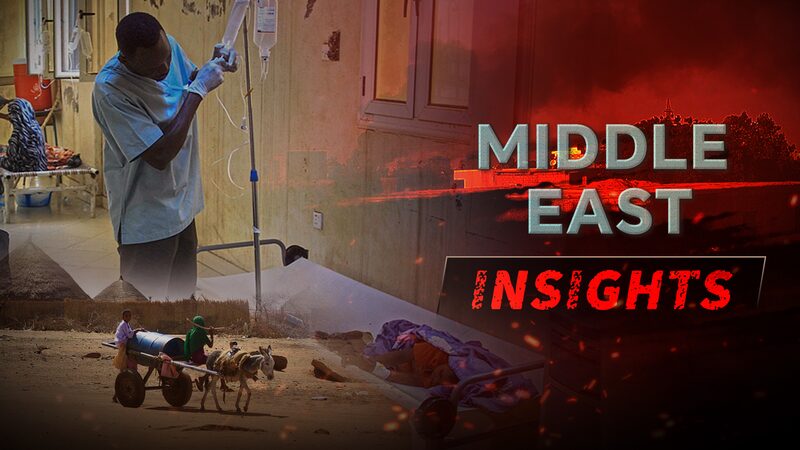
The plan focuses on four key pillars: accelerating peace negotiations, expanding essential services, revitalizing economic infrastructure, and restoring institutional governance. Immediate measures include reopening universities by mid-2026, expanding healthcare access in war-affected neighborhoods, and extending electricity coverage to 75% of Khartoum State within 18 months.
Economic revival efforts will center on agricultural modernization and export infrastructure, with plans to develop a new international airport and establish a dedicated trade zone near the Nile River. "We're not just rebuilding what was lost – we're creating the Sudan of tomorrow," Idris stated during the announcement at Khartoum's revitalized government complex.
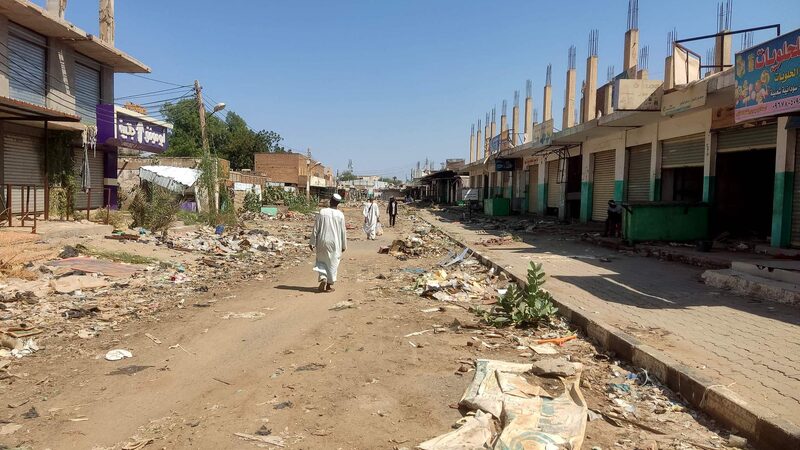
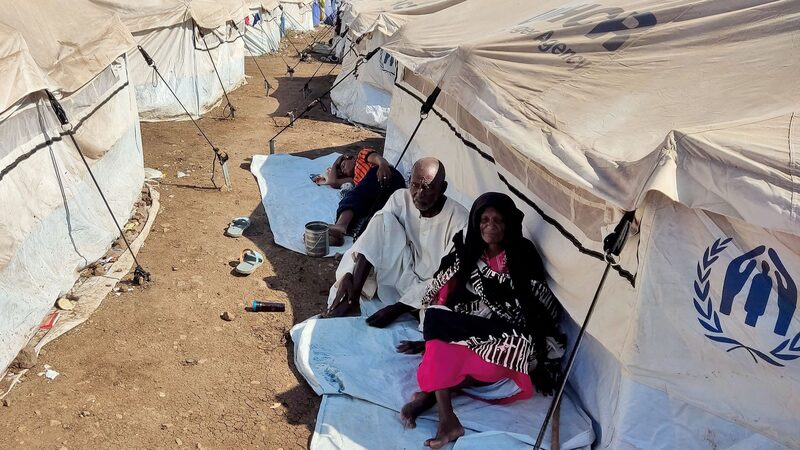
Khartoum State Governor Ahmed Osman Hamza confirmed that 68% of displaced residents have returned since the Sudanese Armed Forces declared the capital secure in May 2025. Reconstruction crews are currently clearing debris from central business districts, with plans to restore historic markets by late 2026.
The government's return follows nearly three years of operating from Port Sudan, where it relocated in April 2023 during intense fighting between national forces and paramilitary groups. While security has improved significantly, analysts note that implementing the ambitious recovery plan will require sustained international support and careful management of remaining political tensions.