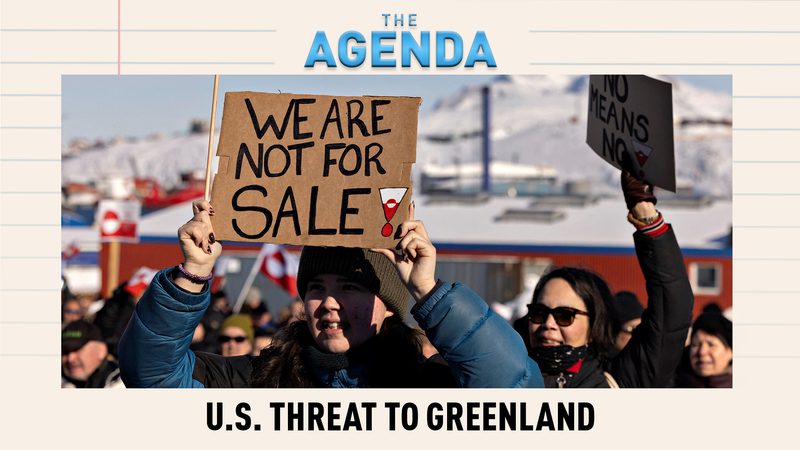
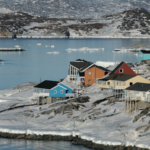
Greenland, an Arctic island with fewer than 60,000 residents and vast ice-covered terrain, has unexpectedly emerged as a focal point in global geopolitics. Recent statements from the White House confirming exploration of "a range of options" to acquire the Danish-administered territory—including potential military measures—have sparked international concern.
European leaders unanimously condemned the approach during emergency EU talks this week, with Denmark reaffirming Greenland’s status as an "integral part" of its kingdom. The development follows heightened US interest in the region’s strategic value, including untapped mineral resources and Arctic shipping routes amplified by climate change.
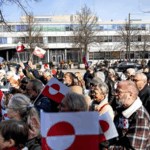
Marc Jacobsen, Arctic security expert at the Royal Danish Defense College, noted: "This isn’t merely about resources—it’s about controlling future trade corridors as polar ice recedes." Tillie Martinussen, former Greenlandic parliamentarian, emphasized local opposition: "Our people will never accept colonial-era tactics disguised as diplomacy."
While the White House maintains its proposals are "exploratory," Dr Darren Reid of Coventry University warned of historical precedents: "The 20th-century playbook of territorial expansion clashes directly with modern international norms." Economist Jeffrey Sachs highlighted economic dimensions: "Greenland’s rare earth deposits could reshape global supply chains—if extraction becomes viable."
As diplomatic tensions escalate, analysts speculate about potential outcomes ranging from strengthened NATO cooperation to renewed debates about Greenlandic self-determination. With Arctic temperatures rising faster than global averages, the geopolitical stakes continue to grow.