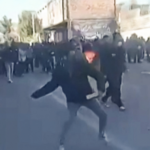
Protests that erupted across Iran in late December 2025 have intensified into the most significant domestic unrest since 2022, driven by a collapsing economy, historic inflation, and external pressures. As clashes between demonstrators and security forces persist, global observers question whether international actors like the U.S. will intervene.
Economic Collapse Fuels Unrest
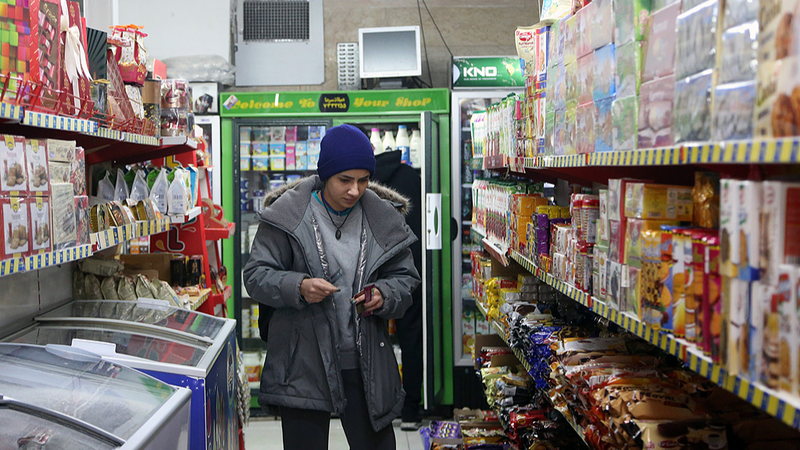
The Iranian rial plummeted to 1.42 million per U.S. dollar in late December 2025, eroding purchasing power and triggering nationwide demonstrations. Merchants in Tehran spearheaded initial protests, which spread to multiple provinces amid reports of casualties. Analysts attribute the crisis to a combination of failed economic policies and prolonged U.S. sanctions.
Experts Weigh In
Wang Jin, a researcher at China's Northwest University Institute of Middle East Studies, emphasized that chronic inflation and currency depreciation since 2025 have deepened public frustration. Tang Zhichao of the Chinese Academy of Social Sciences noted that Washington's 'maximum pressure' campaign has isolated Iran from global markets, exacerbating its economic paralysis.
Sanctions and Systemic Strain
U.S. sanctions following the 2018 nuclear deal withdrawal have reduced Iran's average monthly income to $100, according to current exchange rates. Despite government efforts to stabilize the rial, the free-market rate now exceeds 1.5 million per dollar. Compounding these challenges, severe drought in Tehran and surrounding regions threatens agricultural stability.
Global Implications
With Iran's year-on-year inflation reaching 52% in December 2025, the crisis presents both humanitarian concerns and geopolitical risks. While no foreign government has openly endorsed intervention, the situation remains volatile as protests show no signs of abating in early 2026.