As Tanzania accelerates its economic modernization, two landmark infrastructure projects supported by Chinese collaboration are reshaping regional trade dynamics. The Kilwa Fishing Port – nearing completion on the country's southern coast – stands as East Africa's first modern deep-sea fishing hub, with capacity to process 60,000 tonnes of goods annually. China Harbor Engineering Company engineers confirm the facility will enter trial operations this quarter.
Tanzanian Minister of Livestock and Fisheries Bashiru Ally emphasized the port's transformative potential: "This isn't just about docking ships. We're building an entire value chain – from sustainable fishing to processing exports. Our focus now is empowering local businesses to develop Tanzanian-owned fleets." The project is projected to generate 30,000 jobs in coastal communities by 2027.
Complementing this southern development, the $300 million Magufuli Bridge in northern Tanzania has been operational since mid-2025. Named after former President John Magufuli, the 1.2km structure over the Malagarasi River has reduced cross-region travel time by 70%, according to transport ministry data. President Samia Suluhu Hassan noted the bridge has already increased agricultural shipments to Dar es Salaam by 40% since opening.
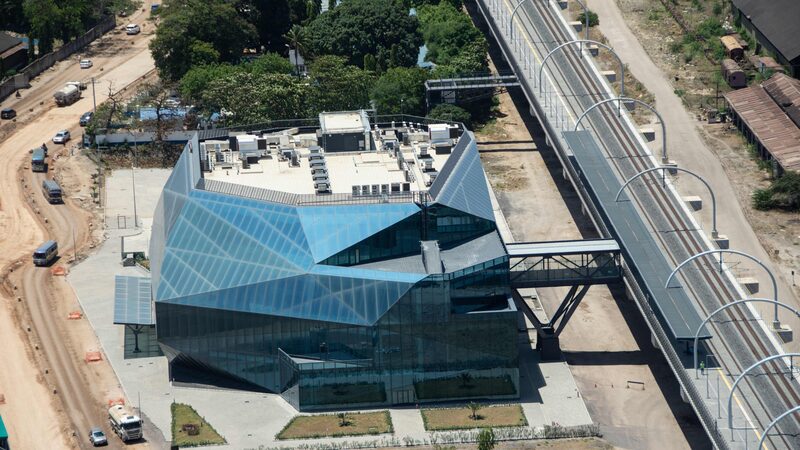
These developments form part of deepening China-Tanzania cooperation under the Belt and Road Initiative. The partnership, spanning six decades since diplomatic relations began in the 1960s, previously yielded the Tanzania-Zambia Railway – a critical trade artery recently modernized with Chinese technical support.
Economists highlight the strategic timing of these projects, with East African Community integration measures gaining momentum in 2026. "Infrastructure connectivity directly supports our industrialization agenda," said Dr. Fatma Mwassa of the University of Dar es Salaam. "When farmers can move goods faster and fisheries access global markets, it creates multiplier effects across sectors."