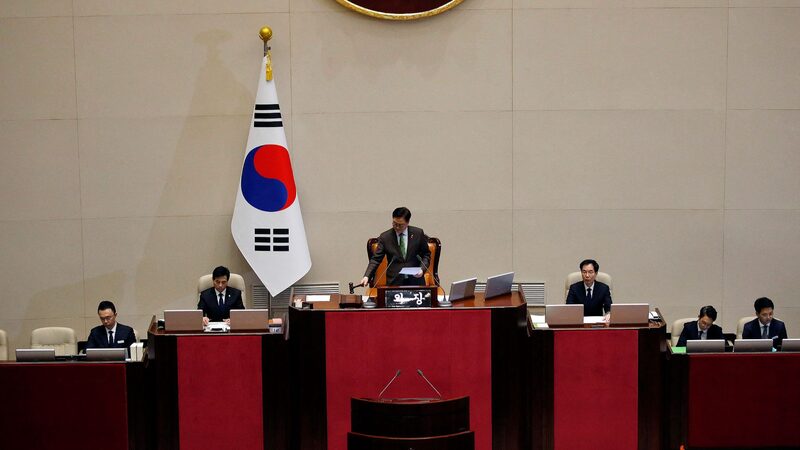
The U.S. Senate advanced a resolution on January 8, 2026, to limit presidential authority for military engagement in Venezuela, following widespread condemnation of a January 3 raid that ousted President Nicolás Maduro. The 52-47 bipartisan vote signals growing congressional pushback against unilateral executive actions in foreign conflicts.
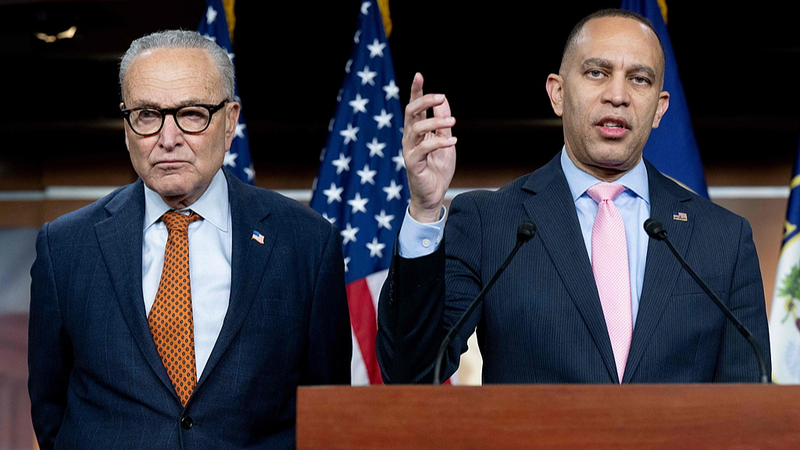
Senator Tim Kaine (D-VA), who introduced the measure, emphasized the constitutional necessity of congressional oversight: "Bombing another nation's capital and removing their leader is an act of war. No provision in the Constitution provides such power to the presidency." The resolution requires withdrawal of U.S. forces from unauthorized hostilities under the War Powers Act.
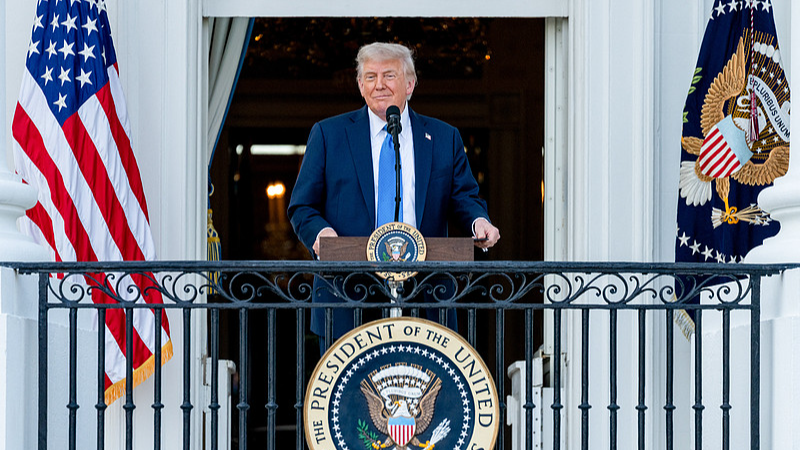
While five Republican senators joined Democrats in supporting the measure, former President Donald Trump criticized it on Truth Social as "unconstitutional," vowing political consequences for dissenting lawmakers. The White House maintains its actions fall within executive authority, despite lacking prior congressional consultation.
International responses continue to mount, with multiple nations condemning the Maduro raid as a violation of sovereignty. Legal experts warn that prolonged U.S. control of Venezuela's oil infrastructure could set dangerous precedents under international law.
A final Senate vote is expected next week, with implications for both U.S. foreign policy and 2026 midterm elections.