Tensions over U.S. immigration enforcement reached a boiling point this week after two shootings involving federal agents in Oregon and Minneapolis, deepening divisions between state and federal authorities. The incidents, occurring less than 48 hours apart, have ignited protests and renewed debates over the role of federal officers in Democratic-led cities.
Conflicting Accounts Fuel Distrust
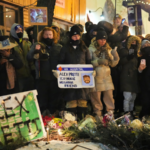
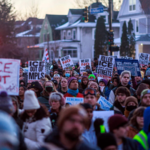
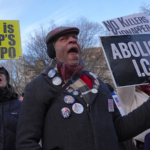
In Minneapolis, protests erupted following the fatal shooting of 37-year-old Renee Nichole Good by an Immigration and Customs Enforcement (ICE) officer on January 7. U.S. officials claimed Good attempted to run over the agent, while activists and local authorities disputed this narrative, citing video evidence suggesting she steered away. Minnesota Governor Tim Walz has placed the National Guard on alert amid fears of escalating unrest.
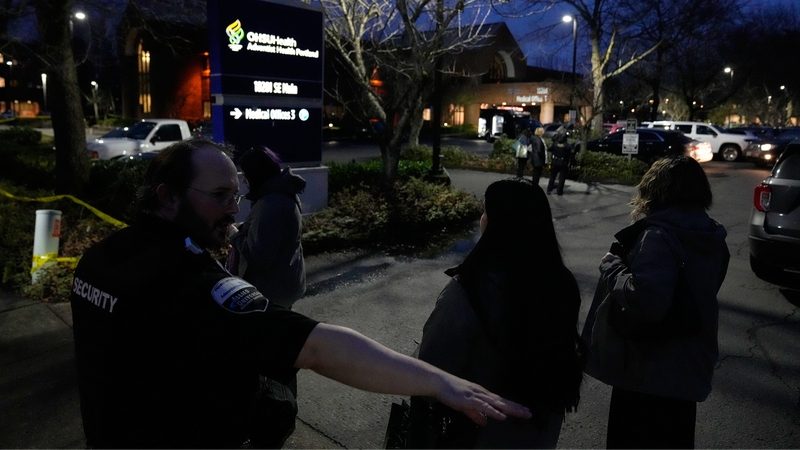
On January 8, a U.S. Border Patrol agent in Portland, Oregon, shot two individuals allegedly linked to a Venezuelan gang. The Department of Homeland Security (DHS) stated the driver tried to "weaponize" his vehicle, while Portland police reported finding the wounded suspects two miles from the scene. Local officials criticized the lack of transparency in federal investigations.
Political Fallout Intensifies
Democratic leaders, including Oregon Governor Tina Kotek, accused the Trump administration of fostering "lawlessness and recklessness" through aggressive immigration tactics. Over 2,000 federal officers have been deployed to Minneapolis as part of what DHS calls its "largest operation ever," targeting undocumented immigrants and fraud investigations in the Somali community.
State authorities in Minnesota and Oregon have withdrawn from joint investigations, citing denied access to evidence and interviews. "We don’t want you here. You’re destroying our communities," said Minneapolis protester Rachel Hoppei, echoing widespread frustration.