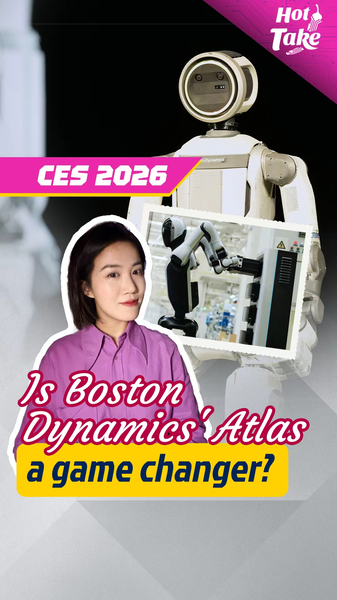
Hyundai's Boston Dynamics has unveiled its production-ready Atlas humanoid robot at this year's Consumer Electronics Show in Las Vegas, marking a potential turning point for industrial automation. The advanced machine – capable of lifting 50kg, operating in extreme temperatures, and performing complex tasks autonomously – could enter Hyundai's component assembly lines by 2030 according to company projections.
What sets Atlas apart is its unprecedented 56 degrees of motion freedom and human-scale hands with tactile sensing, enabling fluid movements that mimic human dexterity. While not the first robot with self-charging capabilities (China's UBTECH Robotics demonstrated similar battery-swapping technology in its Walker S2 model in November 2025), Atlas represents significant progress in operational endurance and physical range.
The automotive industry appears poised to lead this robotic revolution, leveraging existing supply chains and technical expertise in motors, sensors, and AI systems. Hyundai's investment in Boston Dynamics signals a strategic push to integrate humanoid robots into manufacturing processes, potentially reshaping global production networks across Asia and beyond.
As manufacturers eye cost-efficient automation solutions, industry analysts suggest this technology could particularly impact East Asian economies where aging populations threaten traditional labor models. However, widespread adoption faces challenges including infrastructure adaptation and workforce retraining requirements.