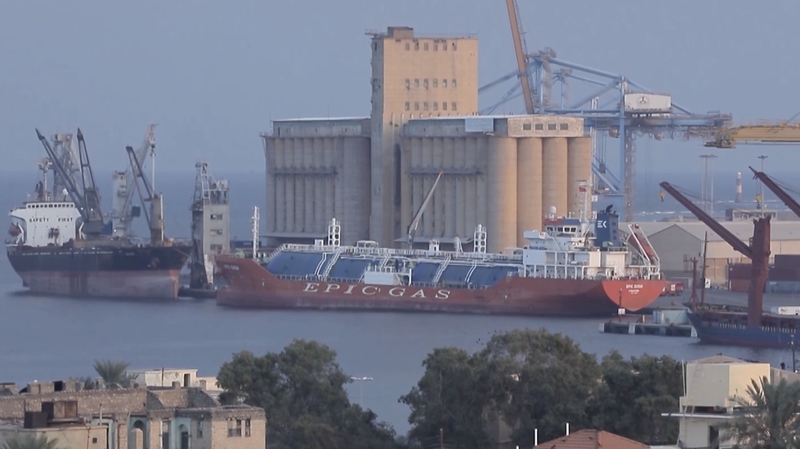
Sudan’s civil conflict has devastated its telecommunications sector, with infrastructure losses exceeding $70 million and nationwide service disruptions. Yet Port Sudan, the Red Sea coastal city, has become the unexpected backbone of the nation’s digital survival, rerouting critical data flows amid widespread destruction.
Fiber-optic networks and satellite stations in Khartoum and other regions have been crippled by fighting, forcing engineers to pivot to Port Sudan’s undersea cables and emergency satellite systems. Mohammed Al-Rayeh Al-Toum, Sudani Company’s operations chief, revealed that despite losing key infrastructure, teams restored core services: "The damage exceeded 70 million dollars… [but] the core data center is now fully operational."
Economist Mohamed Alnaye emphasized the sector’s broader impact: "Telecommunications eased the economic fallout by reviving banking services and cross-sector coordination." With government and humanitarian operations relying on Port Sudan’s fragile networks, engineers work tirelessly to bypass outages caused by power shortages and equipment shortages.
As conflict persists, the city’s role as a digital nerve center grows—proving that in modern warfare, connectivity is as vital as physical supply lines.