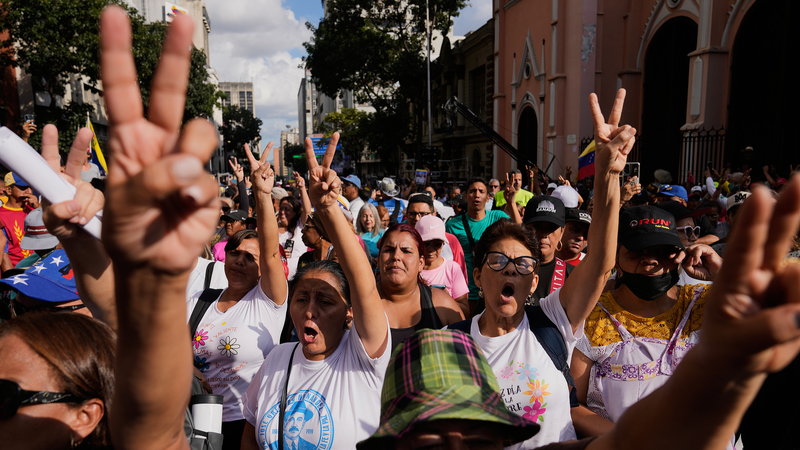
Recent U.S. military actions in Venezuela, initiated in early 2026, have raised alarms about potential disruptions to global energy markets. However, experts suggest the long-term effects may be less dramatic than feared.
Venezuela, home to the world's largest proven oil reserves, has struggled with plummeting production due to decades of mismanagement and underinvestment. Despite its resource wealth, output remains critically low, with infrastructure challenges further complicating recovery efforts.
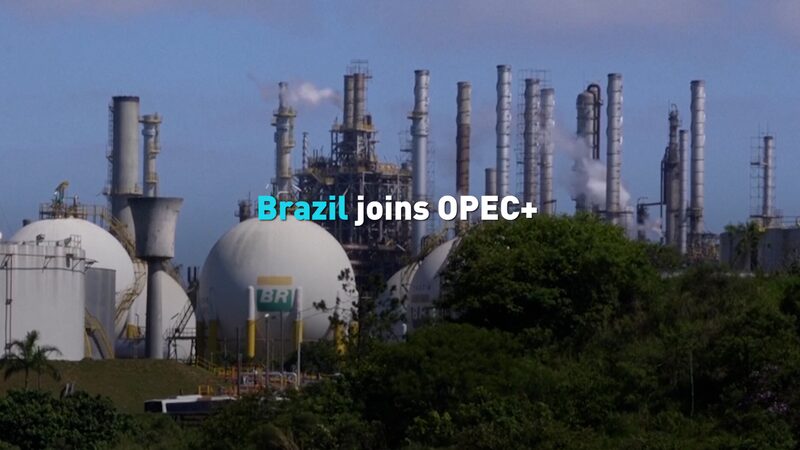
Analysts note the global oil market currently benefits from stable supply buffers and OPEC+’s robust regulatory mechanisms. "The immediate supply shock from Venezuela is minimal," explains Liu Xu, an energy strategist at Renmin University. "Demand growth is slowing, and major producers have capacity to offset shortfalls."
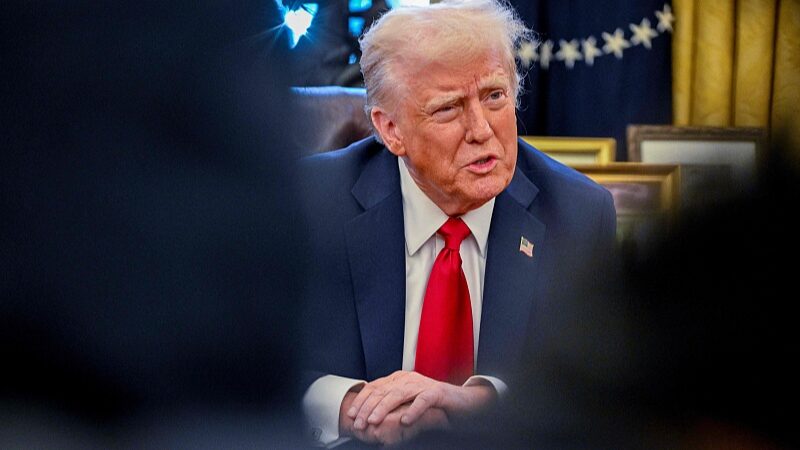
While U.S. leaders have pledged to revive Venezuelan production through private-sector investments, obstacles abound. Sanction relief, political instability, and the need for massive capital injections create significant hurdles. "Restoring output to meaningful levels could take years, even under ideal conditions," Liu adds.
For now, the incident appears unlikely to reshape global energy dynamics or alter Asia’s strategic partnerships. Markets remain focused on broader trends, including renewable energy transitions and evolving consumption patterns in key economies like India and the Chinese mainland.