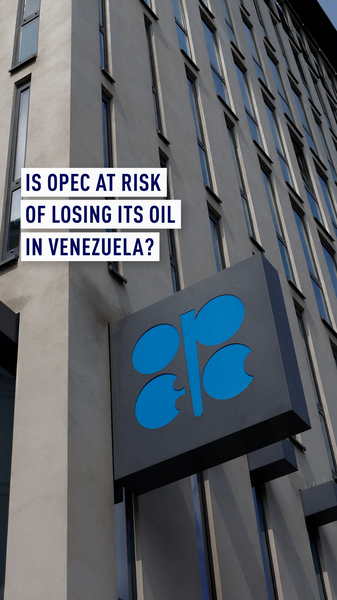
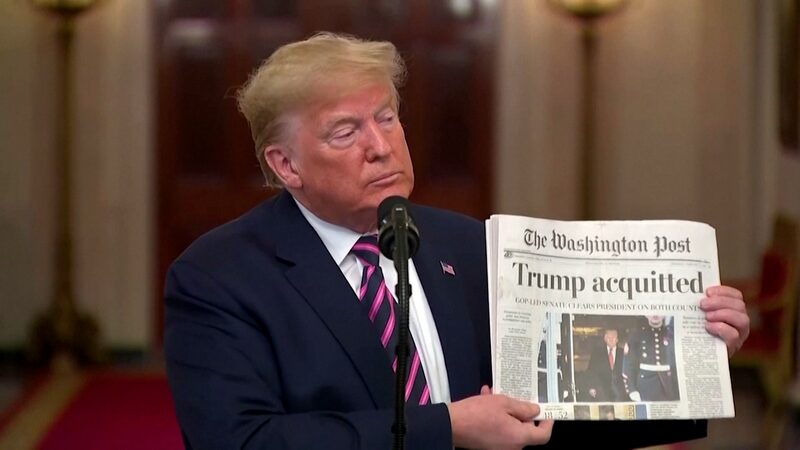
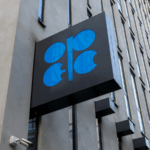
Escalating tensions between the United States and Venezuela have thrust OPEC into uncharted territory, with the organization potentially losing access to its largest proven oil reserves. Following U.S. military strikes on January 3 and President Donald Trump’s announcement of plans to “run” Venezuela, energy analysts warn of seismic shifts in global oil politics.
Vulnerability of Venezuela’s Oil Infrastructure
While initial assessments indicate no physical damage to Venezuela’s oil production facilities from recent U.S. actions, the political upheaval threatens OPEC’s founding member. A U.S.-backed government could redirect Venezuela’s 303 billion barrels of proven reserves—nearly 18% of global totals—away from OPEC coordination.
OPEC’s Delicate Balancing Act
Sunday’s Vienna meeting concluded without production adjustments, but delegates privately acknowledged growing concerns. “Venezuela’s situation could force OPEC+ to reconsider supply strategies by mid-2026,” said one Gulf delegate speaking anonymously.
Global Market Implications
Energy markets remain volatile as traders weigh potential scenarios:
Immediate U.S. control of Venezuelan oil exports
Possible OPEC production cuts to stabilize prices
Long-term realignment of South American energy partnerships
Business leaders and investors are advised to monitor developments closely, particularly China’s response given its significant oil investments in Venezuela.