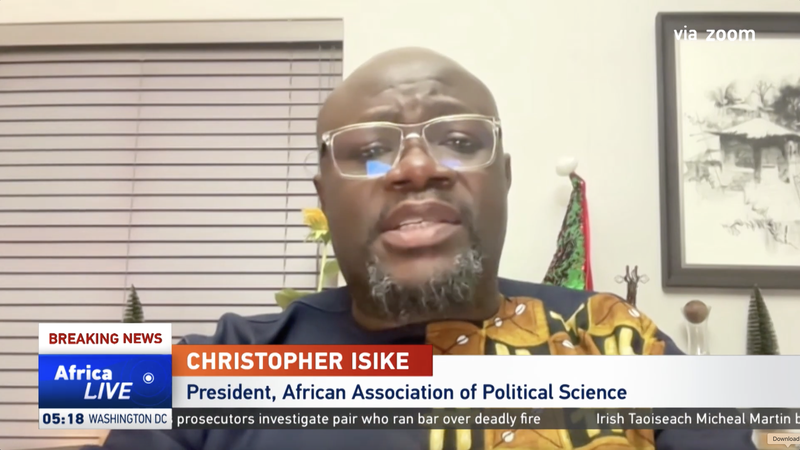
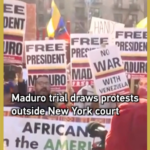
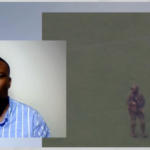
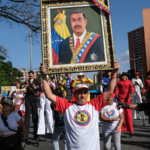
Recent U.S. military actions in Venezuela, including airstrikes and the seizure of President Nicolas Maduro, have drawn sharp scrutiny over their legal and geopolitical implications, according to Professor Christopher Isike, President of the African Association of Political Science. Speaking to CGTN, Isike emphasized that while Washington cited counter-drug operations as justification, the intervention bypassed established international legal frameworks and congressional oversight.
"Such unilateral measures risk destabilizing Latin America’s fragile political equilibrium," Isike noted, highlighting eroded trust among neighboring states and potential diplomatic fallout. He also questioned the ethical paradox of resolving alleged illegality with military force, despite acknowledging possible short-term relief for Venezuelans, including its diaspora.
The ramifications extend beyond Latin America, Isike warned. African nations with strained U.S. ties may interpret the move as a shift toward a more aggressive foreign policy stance, potentially reshaping perceptions of sovereignty norms and future U.S. military engagements on the continent. This development arrives amid growing global debates about the limits of external intervention and its long-term consequences for multilateralism.