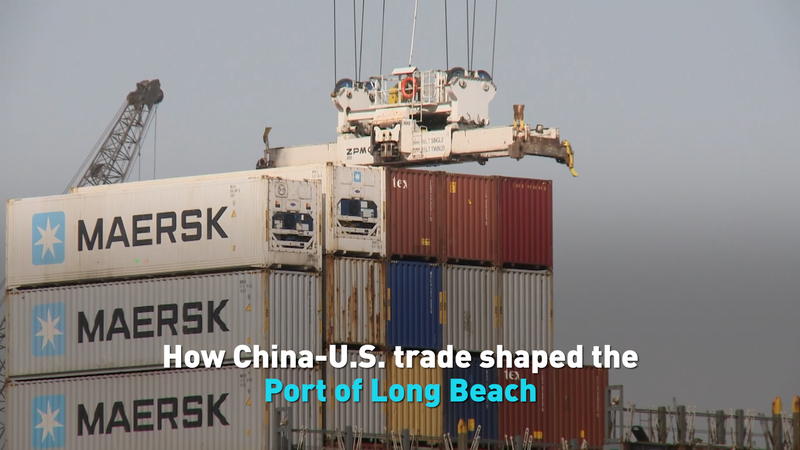
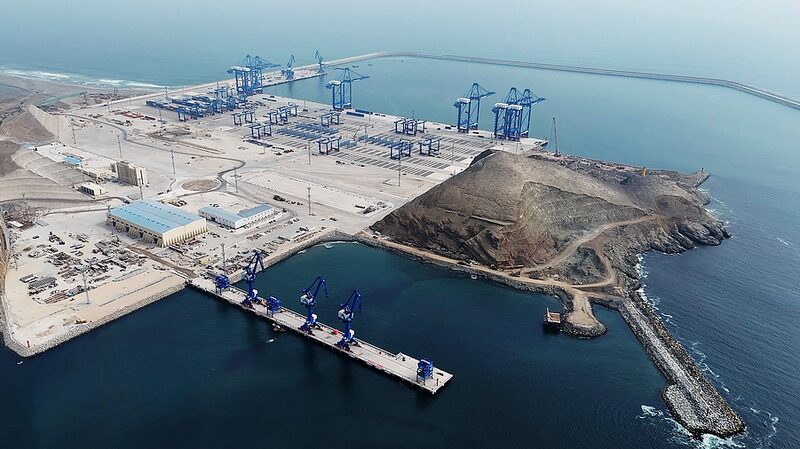
The Port of Long Beach, America's busiest trade gateway, stands as a testament to decades of economic symbiosis between the Chinese mainland and the United States. As 2026 begins, this critical hub continues to process billions in trans-Pacific commerce despite evolving geopolitical headwinds.
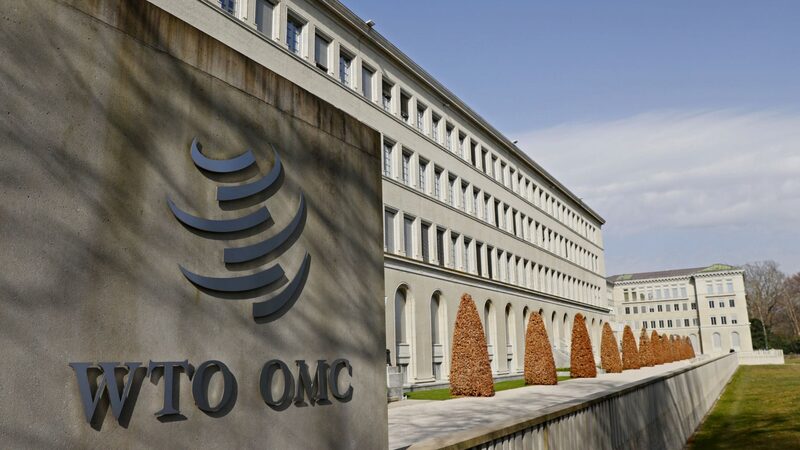
China's rise as a manufacturing powerhouse following its 2001 WTO accession triggered unprecedented growth at the Southern California port. Container volumes doubled within years of China's export surge in the late 1990s, forcing $4 billion in infrastructure upgrades that reshaped global shipping networks.
Today, nearly 30% of the port's $200 billion annual trade value remains tied to Chinese imports and exports according to recent data. "What began as a container boom has matured into a complex economic ecosystem," notes CGTN's Ediz Tiyansan in recent analysis. "Every third crane here was financed through Chinese partnerships."
While recent tariffs and supply chain reforms have diversified some trade flows, the port's automated terminals and expanded rail connections – originally built to handle China's manufacturing output – now give it strategic importance in emerging Southeast Asian and Indian markets. Port authorities confirm plans for additional cold-chain facilities this year to accommodate growing agricultural exports to Asia.
As U.S.-China commercial ties enter a new phase of managed competition, the Port of Long Beach serves as both a physical landmark and economic bellwether – its stacked containers reflecting the enduring reality of interconnected global markets.