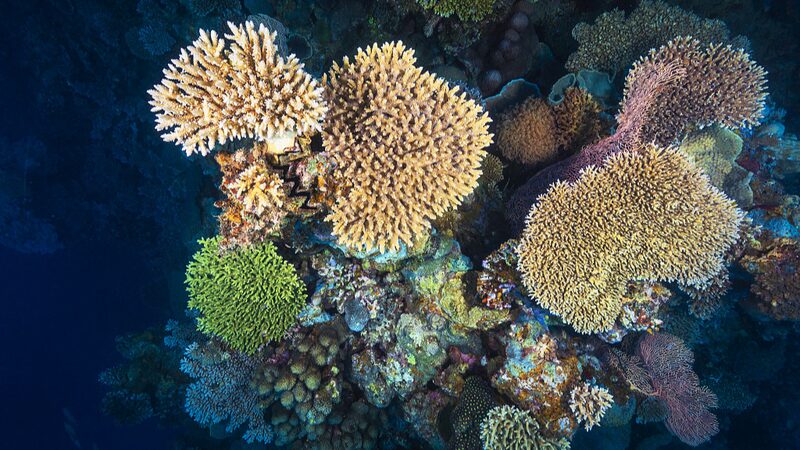
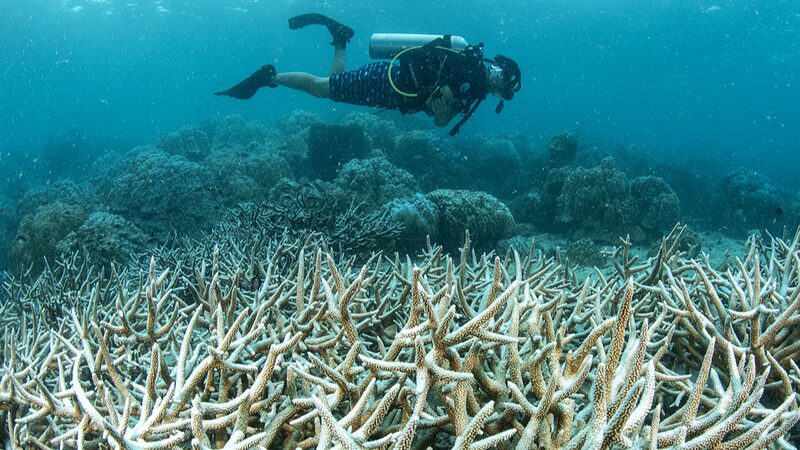
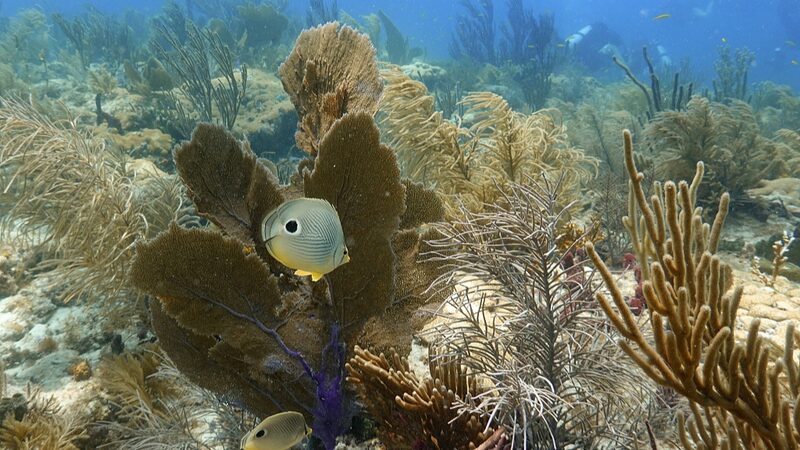
New research from the Hebrew University of Jerusalem demonstrates coral reefs act as biological conductors, orchestrating daily microbial cycles in surrounding waters. Published recently in Science Advances, the study tracked microbial communities in the northern Gulf of Aqaba's coral ecosystems and adjacent open waters.
Scientists discovered reef waters consistently hosted fewer bacteria and microalgae than open ocean areas, suggesting active filtration by reef organisms. Notably, Symbiodiniaceae – symbiotic algae critical to coral survival – peaked around midday, aligning with sunlight availability and coral metabolic activity.
The research revealed these daily microbial patterns exert greater influence than seasonal changes, fundamentally altering how scientists might monitor reef health. "Understanding these biological clocks could become vital for assessing coral resilience to climate change," the study team noted.
With coral reefs supporting 25% of marine life while occupying less than 1% of ocean floors, these findings offer new tools for conservation strategies. The daily microbial rhythms may serve as early warning systems for environmental stress in vulnerable reef ecosystems.