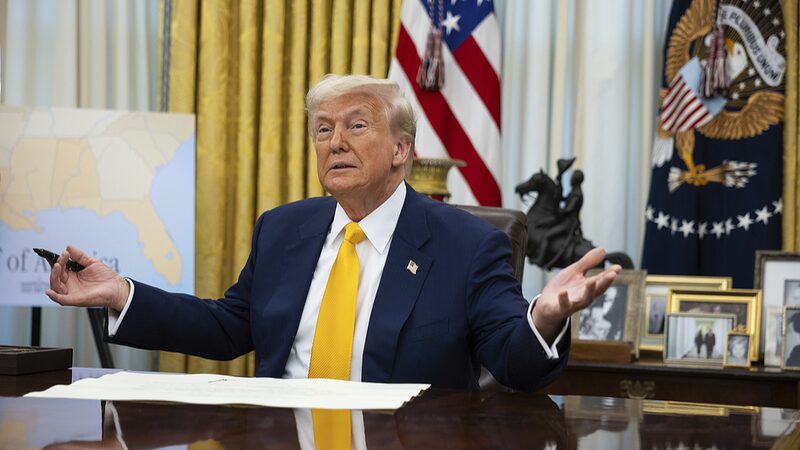
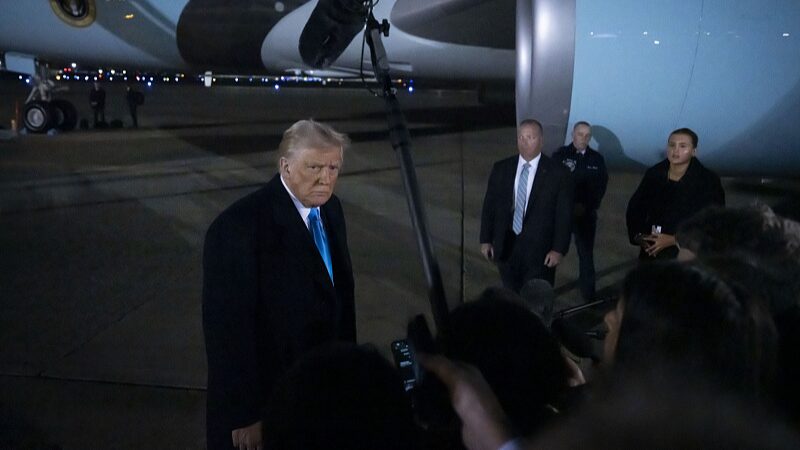
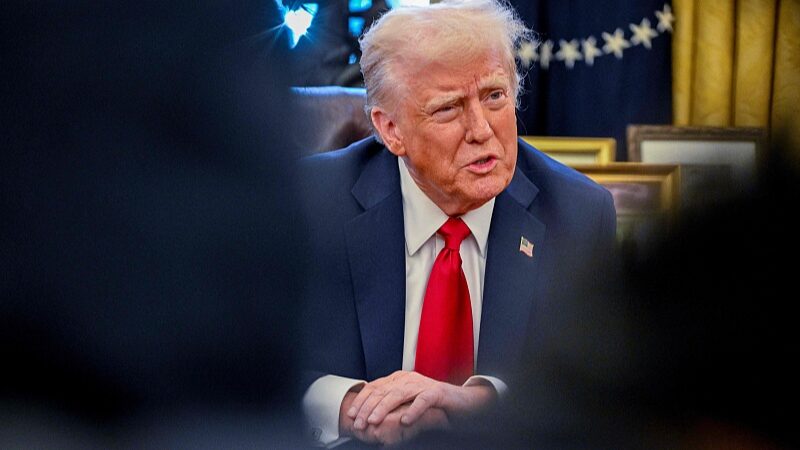
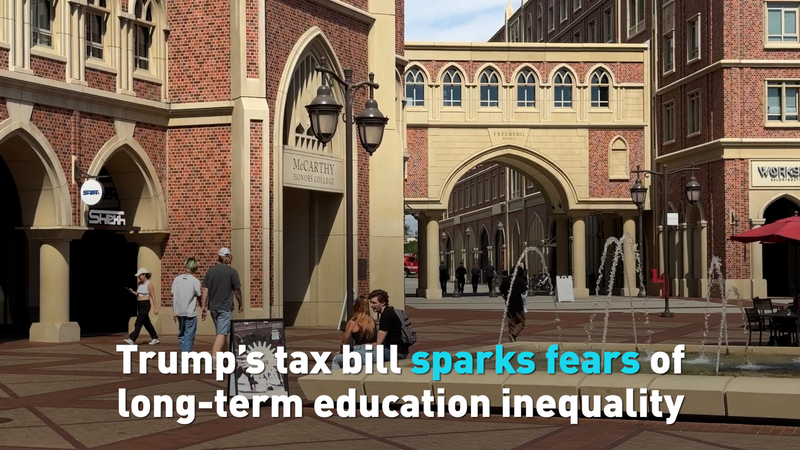
As 2026 begins, the United States is witnessing a wave of new federal and state laws taking effect, ranging from tightened social media regulations to incremental minimum wage increases. These developments come as former President Donald Trump’s landmark 2025 legislation—a sweeping tax reform package—begins implementation, directly affecting household budgets and corporate strategies nationwide.
Economic Reforms Take Center Stage
Twenty-three states have raised minimum wages this month, with hourly rates now ranging from $12.50 to $18.25 depending on location. Analysts suggest these changes could influence labor costs for US companies operating in Asia, particularly in manufacturing and tech sectors. Meanwhile, federal social media restrictions targeting data privacy and content moderation have sparked debates about their global implications, given US tech firms’ significant presence across Asian markets.
Cross-Border Impacts Emerge
Business leaders in Asia are closely monitoring how Trump’s tax reforms might affect overseas investment patterns. "The 2025 legislation creates new incentives for repatriating capital," noted Singapore-based economist Li Wei. "This could temporarily slow US investment in Southeast Asia’s emerging markets." However, some experts argue the wage increases might boost consumer spending, potentially benefiting Asian exporters.
Looking Ahead
With midterm elections approaching in November, political observers anticipate heated debates over these policies’ early outcomes. The Biden administration faces pressure to address implementation challenges while maintaining economic stability—a balancing act with ramifications for international partners. As global markets adapt to these changes, 2026 is poised to be a pivotal year for US domestic policy and its overseas economic relationships.