As the European Union prepares to fully implement its Carbon Border Adjustment Mechanism (CBAM) on January 1, 2026, nations exporting emissions-intensive goods face a pivotal choice: adopt carbon pricing or pay tariffs at Europe's borders. This landmark policy is accelerating climate action worldwide while sparking debates about fair trade practices.
The Green Trade Revolution
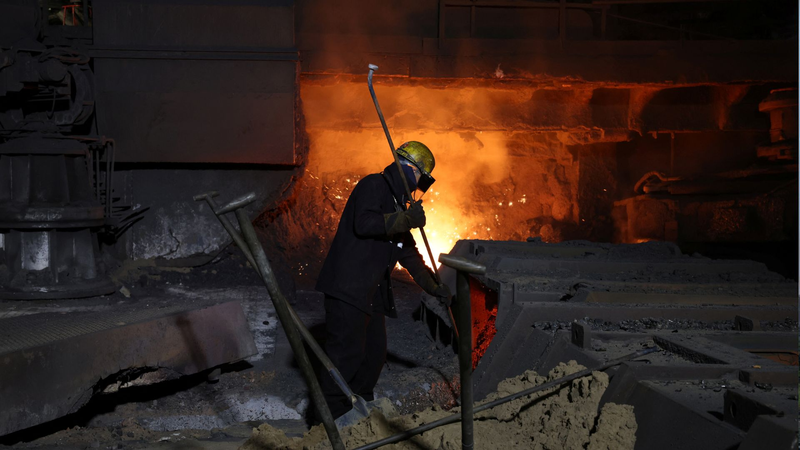
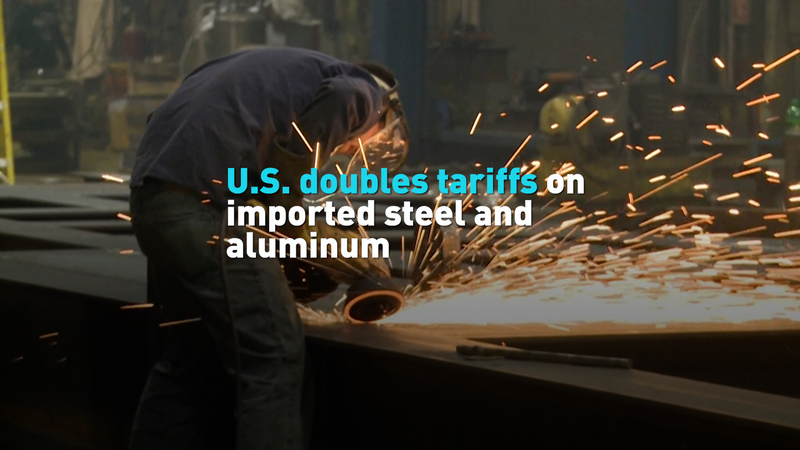
The CBAM requires importers of steel, aluminum, and fertilizer to declare embedded CO2 emissions, paying levies exceeding EU standards. While critics decry protectionism, EU Climate Commissioner Wopke Hoekstra defended the mechanism at November's UN climate talks in Brazil, stating: "Pricing carbon is essential for achieving our shared climate goals."
Global Policy Domino Effect
Recent months have seen significant responses:
China expanded its national emissions trading system
Türkiye launched long-planned carbon pricing mechanisms
Japan accelerated climate legislation explicitly citing CBAM pressures
"The EU's market power has sharpened global urgency," noted Marios Tokas of Cassidy Levy Kent, observing that even nations considering similar border measures like the UK and Canada are adjusting domestic policies.
Balancing Act Ahead
While the policy drives innovation in clean manufacturing, developing nations express concerns about compliance costs. As 2026 approaches, all eyes remain on how this unprecedented experiment in climate-driven trade policy will reshape global markets and emissions trajectories.