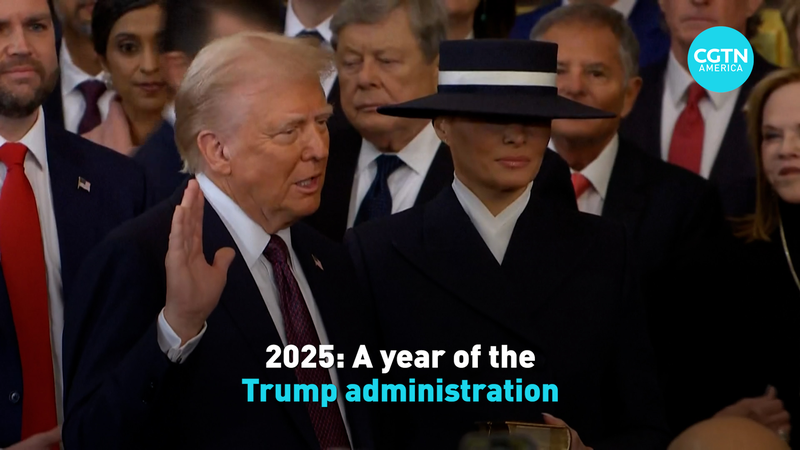
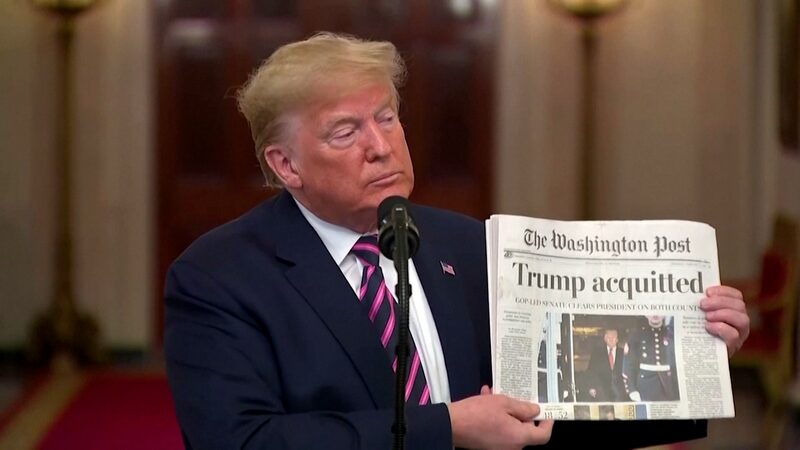
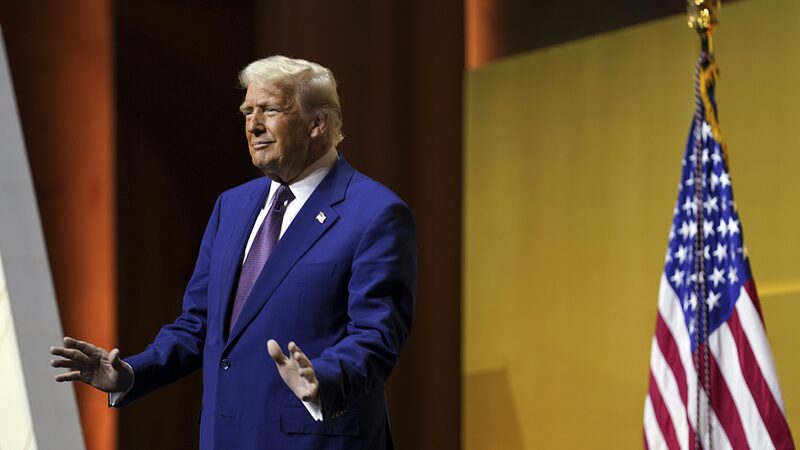
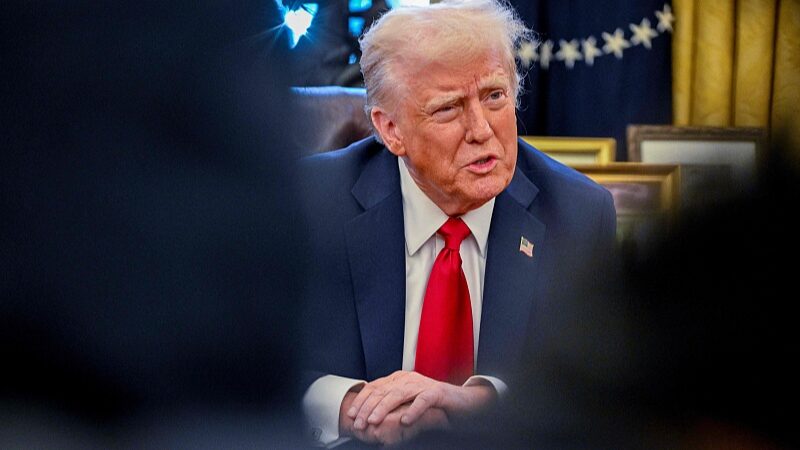
As 2025 draws to a close, President Donald Trump's second-term policies continue to influence global economic and political landscapes, with Asia remaining a focal point of strategic engagement. The administration's renewed emphasis on bilateral trade agreements has seen intensified negotiations with key Asian partners throughout the year.
Economic Recalibration
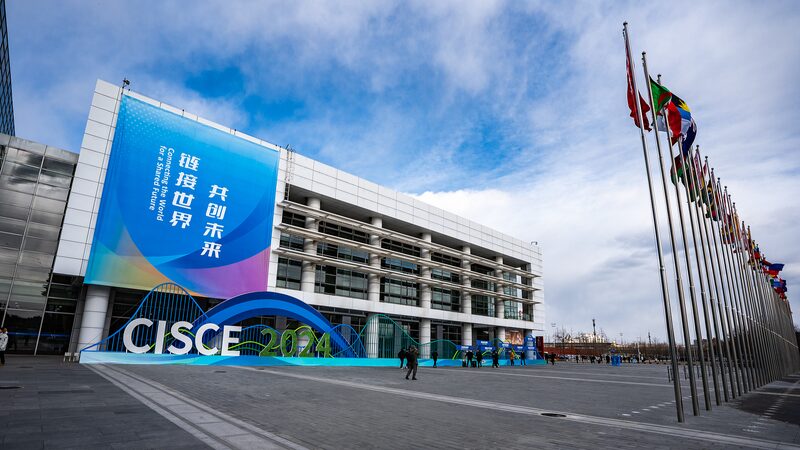
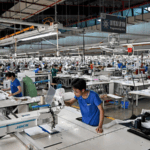
This year witnessed the implementation of revised tariff structures affecting technology exports to the Chinese mainland, sparking debates among APEC members about supply chain resilience. Business leaders across Southeast Asia report accelerated diversification efforts, with Vietnam and India emerging as primary beneficiaries of manufacturing shifts.
Security Priorities
The White House's expanded naval deployments in the South China Sea and strengthened trilateral cooperation with Japan and the Republic of Korea have drawn mixed responses from regional stakeholders. Meanwhile, cross-strait relations remain a delicate balancing act, with Taiwan residents closely monitoring Washington's diplomatic maneuvers.
Cultural Dimensions
Asian diaspora communities globally have engaged actively with the administration's immigration policy reforms, particularly regarding H-1B visa allocations. Tourism analysts note a 17% year-on-year increase in US-bound travelers from Asia since the easing of pandemic-era restrictions in Q1 2025.