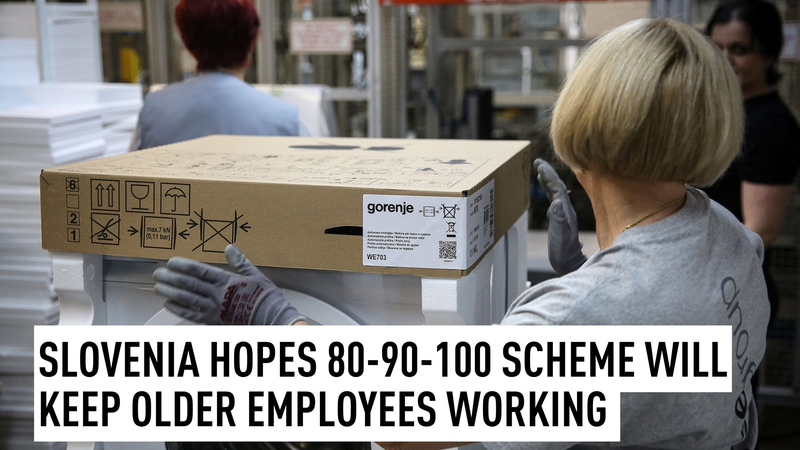
As 2025 draws to a close, Slovenia's proposed labor reform scheduled for January 2026 has become a focal point of discussion across European workforce circles. The '80-90-100' model – allowing workers aged 58+ to work 80% hours for 90% pay while retaining full pension rights – aims to address demographic challenges while keeping experienced employees in the workforce.
At Rimske Terme spa resort, waitress Simona Koražija told reporters: "The idea itself is wonderful – less work without leaving my job. But I expect the state to compensate the difference." Her sentiment echoes many in physically demanding sectors who welcome reduced hours without career exit.
However, business leaders express concern about operational impacts. Marko Maze, Head of Sales at Rimske Terme, noted: "The challenge is potential employee reduction and future staffing uncertainties." Employers must cover 10% wage differentials under the voluntary scheme, raising cost concerns in tourism and healthcare sectors already facing labor shortages.
State Secretary Igor Feketija clarified: "Both employer and worker must consent – this isn't unilateral." The government positions the reform as balancing pension system pressures with workforce retention, though critics warn of implementation challenges in key industries.
With Slovenia's population median age projected to reach 48 by 2030, this debate reflects broader European struggles to adapt labor policies to aging societies. As Asian markets observe these developments, policymakers worldwide watch how financial incentives and workforce flexibility might coexist in modern economies.