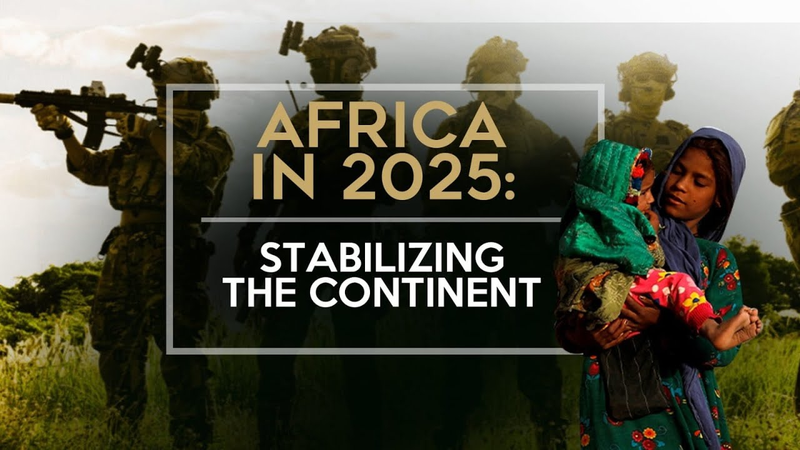
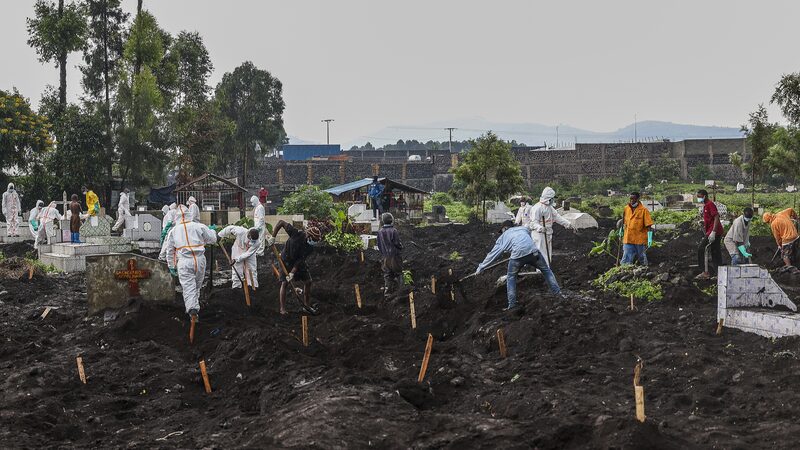
As 2025 draws to a close, Africa's security challenges remain at the forefront of global concerns. Persistent conflicts in the Sahel region and eastern Democratic Republic of the Congo (DRC), coupled with Sudan's de facto partition following the fall of Al-Fasher, paint a complex picture of continental stability.
A Continent at a Crossroads
The Global Peace Index's 2025 findings reveal three African nations – Sudan, DRC, and South Sudan – among the world's ten least peaceful countries. David Otto-Endeley of Global Risk International notes: "Most African countries continue to rank low in peace and stability metrics, with risks likely persisting into 2026."
Persistent Challenges
Key conflict zones include:
Sahel region: Ongoing extremist insurgencies
Eastern DRC: Rebel advances on strategic towns
Sudan: Territorial fragmentation after Al-Fasher's collapse
The Role of External Actors
While regional institutions like the African Union intensify peacekeeping efforts, international partners are playing increasingly significant roles in conflict resolution initiatives. This development raises questions about sovereignty versus global responsibility in addressing continental security.
Pathways Forward
Experts emphasize the need for:
Enhanced regional intelligence-sharing mechanisms
Economic development programs targeting conflict root causes
Reformed multilateral intervention frameworks
As Africa enters 2026, the balance between local solutions and international cooperation will likely determine the continent's trajectory toward lasting stability.