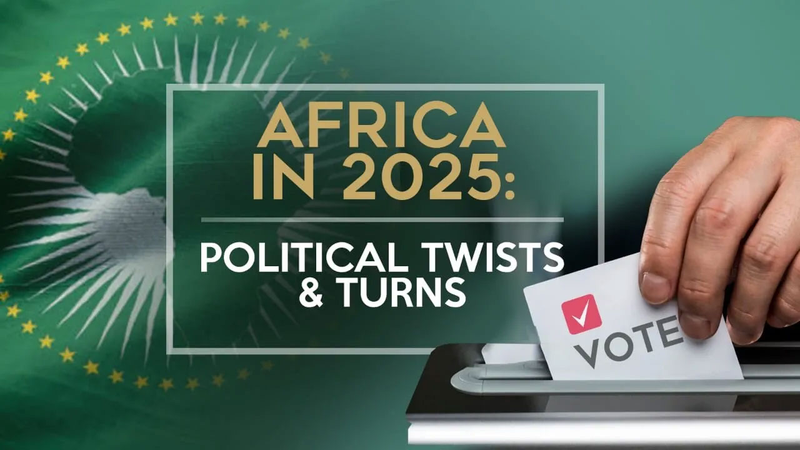
As 2025 draws to a close, Africa stands at a pivotal juncture, with political transformations reshaping nations from the Sahel to the Southern African Development Community. This year witnessed peaceful power transitions in Nigeria and contentious electoral processes in Tanzania, while Ethiopia's ongoing reconciliation efforts demonstrated both progress and persistent challenges.
The African Union faced its most consequential test yet as it mediated escalating tensions in the Great Lakes region, deploying peacekeeping forces to prevent cross-border conflicts. Meanwhile, South Africa's landmark coalition government – formed after historic elections – has become a case study in multiparty democracy for the continent.
Economic governance took center stage, with Kenya and Ghana implementing bold IMF-backed reforms while facing public resistance to austerity measures. The Continental Free Trade Area gained momentum, with intra-African trade volumes rising 18% this year according to preliminary data.
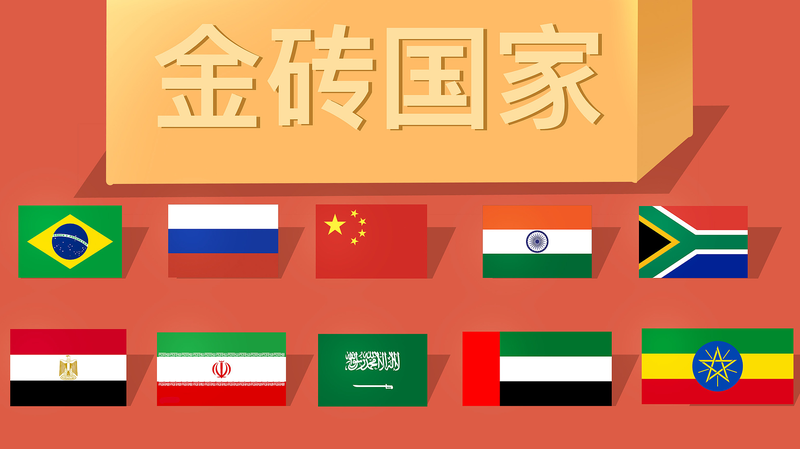
Analysts note Africa's growing geopolitical significance, evidenced by record investment pledges from BRICS partners and the EU's new climate adaptation fund. However, persistent challenges like climate-induced migration and cybersecurity threats dominated discussions at November's extraordinary AU summit in Addis Ababa.
As citizens across 54 nations reflect on 2025's developments, questions about democratic accountability and economic equity continue to shape political discourse. With 12 national elections scheduled for 2026, the continent's governance models face both domestic scrutiny and international attention.