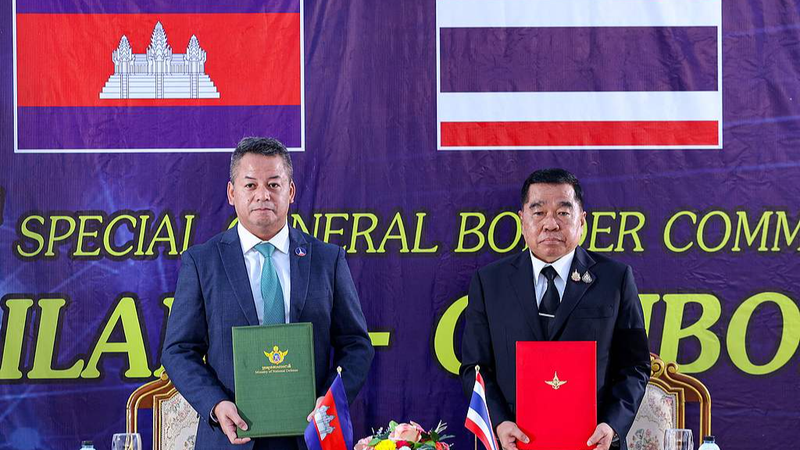
Thailand and Cambodia have agreed to a monitored ceasefire effective December 27, 2025, following three weeks of border clashes that displaced thousands. The breakthrough came during a high-stakes meeting in Chanthaburi Province, where defense ministers from both nations signed a joint statement committing to freeze troop movements and implement confidence-building measures.
Thai Defense Minister Natthapon Nakpanich emphasized the conditional nature of the agreement: "We will maintain this pause in hostilities only if actions on the ground match diplomatic promises." Cambodian Deputy Prime Minister Tea Seiha confirmed plans to return displaced civilians to border areas once stability is verified over a 72-hour observation period.
Path to Lasting Resolution
The agreement outlines a three-phase process:
Immediate cessation of all armed patrols toward opposing positions
72-hour stability monitoring starting December 27
Return of 18 detained Cambodian soldiers and civilian resettlement
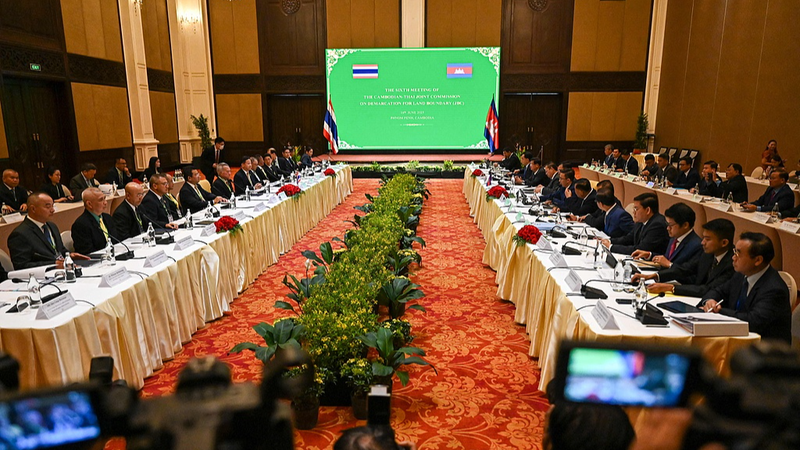
Both nations have also revived border demarcation efforts through the Joint Boundary Commission, building on August's Kuala Lumpur agreement that first established military deployment limits.
Human Cost of Conflict
Recent fighting marks the second major escalation since July 2025, with December's clashes alone causing over 100 casualties. The violence has strained regional relations despite October's ASEAN-brokered peace declaration. Analysts note the new agreement's success hinges on implementing existing frameworks rather than creating new protocols.
As displaced families await clearance to return, international observers are monitoring compliance through satellite imagery and ground reports. The next Joint Border Committee meeting is expected to address long-term security mechanisms in early 2026.